

Introduction
Bringing a puppy into your home is an exciting and rewarding experience. One of the key responsibilities of being a pet owner is ensuring that your puppy grows into a well-behaved, balanced dog. Training plays a crucial role in achieving this, but many new dog owners wonder: When is the best time to start training your puppy? The answer is earlier than you might think! In this article, we’ll dive into the importance of early training and provide helpful tips to guide you through the process.
Ready to start training your puppy? Begin today with these simple steps and build a strong foundation for a well-behaved, happy dog! more info here.
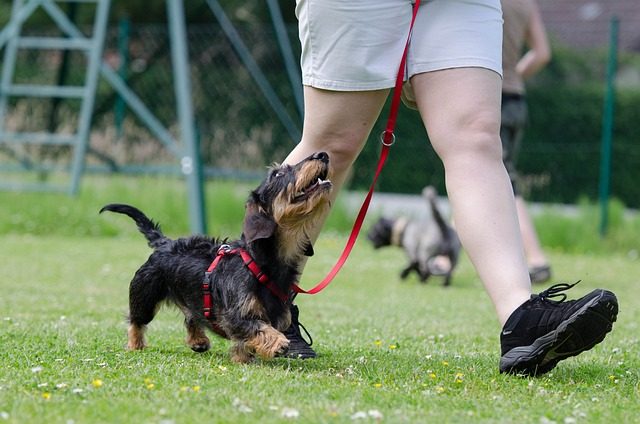
Why Early Training is Essential
Puppies are incredibly impressionable, and the early weeks and months of their life are critical for shaping their behaviour and learning good habits. The earlier you start training, the more successful and easier it will be in the long run. Training your puppy early provides several benefits:
- Socialization: Early training helps your puppy interact well with other dogs, animals, and people. This is especially important during the socialization window, which is between 3 to 14 weeks of age. Puppies who are well-socialized during this period tend to be more confident and less fearful of new experiences.
- Behavioural Foundations: Starting training early establishes a foundation of good habits. You can teach your puppy basic commands like “sit,” “stay,” and “come” as early as 8 weeks old. Consistent training prevents undesirable behaviours like jumping, chewing, and barking from becoming ingrained.
- Bonding: Training sessions are a great opportunity to bond with your puppy. Positive reinforcement, praise, and treats help build trust and respect between you and your puppy.
- Preventing Future Problems: Training early helps prevent behavioural problems from escalating as your puppy matures. For example, if your puppy is taught not to chew on furniture when they’re young, it’s less likely to become a habit later on.
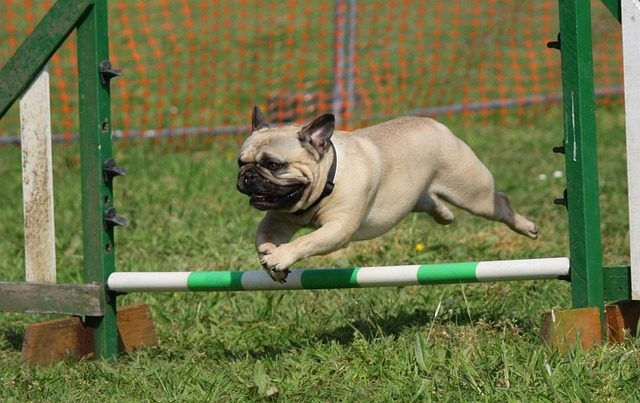
The Right Age to Start Training
While it’s never too late to start training your dog, the best time to begin is as early as possible. Here’s a breakdown of when you should start different aspects of training:
8-10 Weeks: The Foundation Phase
At 8 weeks old, puppies are ready to begin basic training. Though they might be a little wobbly on their feet, their brains are absorbing information like sponges, and they’re learning the basics of their environment. During this stage, you can introduce simple commands, such as:
- Sit
- Stay
- Come
- Lie down
- Leave it
This is also the best time to begin socializing your puppy. Introducing them to different people, places, and experiences helps them grow into confident, well-adjusted dogs. However, make sure these interactions are positive, as negative experiences can have a lasting impact.

10-16 Weeks: Socialization and Positive Reinforcement
During this period, puppies are at a critical stage for socialization. At this age, you can start exposing your puppy to a variety of environments, sounds, and experiences, such as:
- Meeting new people and dogs
- Going on car rides
- Visiting parks or pet-friendly stores
- Hearing different sounds, such as vacuum cleaners or doorbells
At this stage, your puppy’s brain is highly malleable, so consistent socialization and positive reinforcement are key. Use treats, toys, and lots of praise to encourage good behaviour. It’s essential that these early experiences are positive, as they help shape how your puppy reacts to future situations.
16 Weeks and Beyond: Continued Training and Behaviour Refinement
By 16 weeks, your puppy should have a good understanding of basic commands. This is a great time to start refining their behaviour and teaching more advanced skills. You can start introducing commands like:
- Heel (to walk calmly by your side)
- Leave it (to avoid picking up unwanted items)
- Fetch (a fun and engaging game that also reinforces obedience)
Puppies around this age may begin testing boundaries, so consistency and patience are important. If your puppy is not responding to commands, don’t be discouraged. Continue reinforcing positive behaviour and correcting mistakes gently but firmly.
Ready to start training your puppy? Begin today with these simple steps and build a strong foundation for a well-behaved, happy dog! more info here.
How to Train Your Puppy: Tips for Success
Now that you know when to start training your puppy, it’s important to understand how to train them effectively. Here are some helpful tips for successful puppy training:
1. Keep Training Sessions Short and Fun
Puppies have short attention spans, so it’s best to keep training sessions brief and engaging. Aim for sessions that last 5-10 minutes, and incorporate play and treats as rewards. Frequent, short sessions will be more effective than longer, monotonous ones.
2. Be Consistent
Consistency is key in puppy training. Use the same words and commands for each behaviour. For example, if you use “sit,” don’t alternate between “sit” and “down.” Also, ensure that everyone in your household uses the same commands and reinforces the same behaviours.
3. Use Positive Reinforcement
Reward-based training is the most effective method for teaching your puppy new behaviours. Positive reinforcement—such as treats, praise, or play—motivates your puppy to repeat the desired behaviour. Avoid punishment-based techniques, as they can create confusion, fear, and anxiety in your puppy.
4. Socialize Your Puppy Early
As mentioned earlier, socialization is a critical part of early puppy training. Expose your puppy to as many new experiences as possible during the socialization window (3 to 14 weeks). However, even after this window, continue socializing your puppy with other dogs, people, and environments. Proper socialization helps prevent behavioural issues such as fear and aggression.
5. Be Patient and Gentle
Training a puppy requires patience and consistency. Puppies don’t learn everything right away, and they may have accidents or mistakes along the way. Avoid getting frustrated, and remember to keep training sessions positive and fun. Use a calm, gentle voice and offer praise when your puppy gets it right.
Troubleshooting Common Puppy Training Problems
Even the best-trained puppies may face challenges during their training. Here are some common issues and how to address them:
- Biting and Chewing: Puppies explore the world with their mouths, and teething can make them chew on furniture and shoes. Offer plenty of chew toys and redirect your puppy’s attention if they start biting inappropriate items.
- Potty Training: Potty training can take time, but consistency is key. Take your puppy outside frequently, especially after meals, naps, and playtime. Praise them when they go outside and be patient during accidents.
- Excessive Barking: If your puppy barks excessively, it’s important to determine the cause. Are they bored, anxious, or trying to get your attention? Provide enough exercise and mental stimulation to curb unwanted barking.
Conclusion
The best time to start training your puppy is as soon as you bring them home. Early training lays the foundation for good behaviour and ensures your puppy grows into a well-behaved, happy dog. Be sure to start with basic commands, socialize your puppy frequently, and be consistent in your training methods. With patience and positive reinforcement, you’ll have a well-trained puppy in no time!
Start training your puppy today, and watch them grow into the perfect companion for years to come!
Ready to start training your puppy? Begin today with these simple steps and build a strong foundation for a well-behaved, happy dog! more info here.