
Introduction
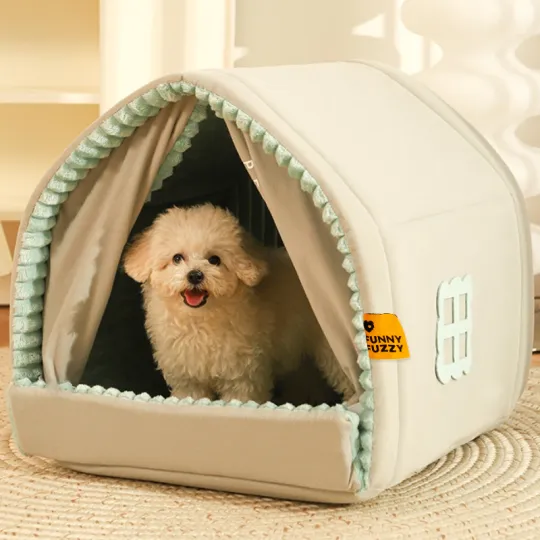
As a pet owner, ensuring that your dog is comfortable and well-rested is essential. A good dog bed and blanket not only provide comfort but also contribute to your pet’s overall health and happiness. Whether your dog enjoys lounging in luxury or prefers a cosy, quiet spot to sleep, the right bed and blanket can make all the difference. In this guide, we’ll explore the various types of dog beds and blankets available, how to choose the best one for your dog, and the benefits they provide.
"Give your dog the comfort they deserve with the perfect bed and blanket—shop now for the best options!" learn more here.
Why Dog Beds and Blankets Matter
Just like humans, dogs need a comfortable place to rest. A well-chosen dog bed offers many benefits, including:
- Support for Joints and Muscles: For senior dogs or those with joint pain, orthopedic beds provide extra cushioning and support to relieve pressure on their joints.
- Promotes Better Sleep: Dogs sleep anywhere from 12 to 18 hours a day, so having a comfortable, supportive bed ensures they rest well and are energized for daily activities.
- Creates a Safe Space: A designated bed can help your dog feel secure, reducing anxiety and promoting a sense of calm in a familiar, cozy space.
- Keeps Your Furniture Clean: A dog bed reduces the amount of hair and dirt your dog sheds on your furniture, keeping your home cleaner.
A blanket provides additional comfort, warmth, and a sense of security for dogs, especially during colder months or when they’re feeling anxious. Many dogs enjoy burrowing into blankets, making it a great option for added comfort and warmth.
Types of Dog Beds
When choosing a dog bed, it’s important to consider your dog’s size, sleeping habits, and any specific health concerns. Here are some common types of dog beds:
1. Orthopedic Beds
Orthopedic beds are designed to provide extra support for dogs with arthritis, hip dysplasia, or other joint issues. These beds are made with memory foam or other supportive materials that conform to the dog’s body, helping to alleviate pressure on their joints.
- Best For: Senior dogs or dogs with joint issues.
- Key Features: Memory foam, extra cushioning, elevated sides for support.
2. Raised Dog Beds
A raised dog bed, also known as a cot-style bed, has a platform elevated off the ground. These beds provide better airflow and keep your dog cooler, making them ideal for warmer climates or pets that tend to overheat.
- Best For: Dogs that get hot easily or those in warmer climates.
- Key Features: Elevated design, breathable fabric, easy to clean.
3. Pillow and Cushion Beds
Pillow and cushion beds are simple and soft, providing comfort for dogs who like to stretch out or curl up. These beds are typically filled with soft materials like polyester or cotton.
- Best For: Dogs who like to sprawl out or curl up.
- Key Features: Soft, plush fabric, easy to wash.
"Give your dog the comfort they deserve with the perfect bed and blanket—shop now for the best options!" learn more here.
4. Bolster Beds
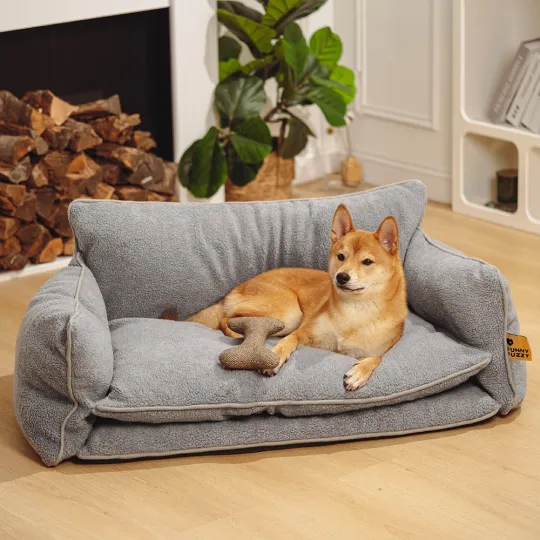
Bolster beds have raised edges or sides that provide a sense of security, making them ideal for dogs who like to rest their head on something or curl up in a cozy nook. The bolstered edges act as a pillow and provide a sense of protection.
- Best For: Dogs that like to curl up or rest their heads.
- Key Features: Raised edges, plush cushioning, cozy design.
5. Donut Beds
Donut beds are circular with a raised outer edge and a soft, cushioned center. The shape provides a sense of security and allows dogs to nest and curl up.
- Best For: Dogs that like to burrow or curl into a ball.
- Key Features: Round shape, raised edges, soft fabric.
Choosing the Right Dog Bed for Your Pet
When selecting a dog bed, consider the following factors:
1. Size of Your Dog
It’s essential to choose a bed that’s the right size for your dog. A bed that’s too small will be uncomfortable, while one that’s too large may not provide enough support. Your dog should have enough room to stretch out but still feel cozy and secure. Measure your dog from nose to tail and choose a bed that’s slightly larger than their measurements.
2. Sleeping Style
Dogs have different sleeping habits, so choose a bed that suits your dog’s preferences. Some dogs like to stretch out, while others prefer to curl up. If your dog likes to sprawl out, opt for a large, flat bed. If your dog likes to curl up, a bolster or donut bed may be a better option.
3. Material and Durability
Consider your dog’s activity level and how much wear and tear the bed will endure. If your dog tends to chew or scratch their bedding, look for a durable, chew-resistant option. Look for materials that are easy to clean, especially if your dog is prone to accidents or shedding.
4. Health Considerations
If your dog is elderly or has specific health concerns, such as arthritis or hip dysplasia, an orthopedic bed made from memory foam can provide the extra support they need for comfort and relief from joint pain.
5. Climate and Temperature
In warmer climates, a breathable, elevated bed may be ideal, while in colder climates, you might want to choose a thick, insulated bed with a blanket for extra warmth.
Dog Blankets: The Perfect Companion
Dog blankets provide extra comfort and warmth for your dog, especially during colder months. They can also be used as an added layer of protection on furniture or in the car.
1. Materials and Fabrics
When choosing a dog blanket, consider the material. Fleece and cotton are soft and comfortable, while waterproof blankets can be used to protect your furniture or bed from accidents.
- Fleece: Soft, warm, and cozy, ideal for cold weather.
- Cotton: Breathable and easy to clean, great for year-round use.
- Waterproof: Ideal for protecting surfaces from dirt or accidents.
2. Size and Functionality
Dog blankets come in various sizes. Choose one that’s large enough to cover your dog’s bed or to provide enough room for them to snuggle. Blankets can also serve as an extra layer of protection on furniture or in the car.
How to Care for Dog Beds and Blankets
Proper care and cleaning of your dog’s bed and blanket are important to maintain hygiene and prolong their lifespan.
- Wash Regularly: Wash your dog’s bed and blanket regularly to keep them clean and fresh. Check the care instructions, as some beds may be machine washable, while others may require spot cleaning or hand washing.
- Check for Wear and Tear: Inspect your dog’s bed for signs of damage, such as fraying fabric or broken zippers. Replace beds that no longer offer the support your dog needs.
- Maintain Comfort: Over time, beds may lose their shape or cushioning. Consider adding a mattress pad or replacing the bed if it no longer provides adequate support.
Conclusion
Choosing the right dog bed and blanket for your pet is an important decision that impacts their comfort, health, and happiness. Whether you opt for an orthopaedic bed to support joint health or a cosy blanket for warmth and security, the right bedding can enhance your dog’s quality of life. Be sure to consider your dog’s size, sleeping habits, and health needs when making your selection. A comfortable, well-chosen bed and blanket will give your dog a peaceful, restful place to call their own.
"Give your dog the comfort they deserve with the perfect bed and blanket—shop now for the best options!" learn more here.