
Introduction
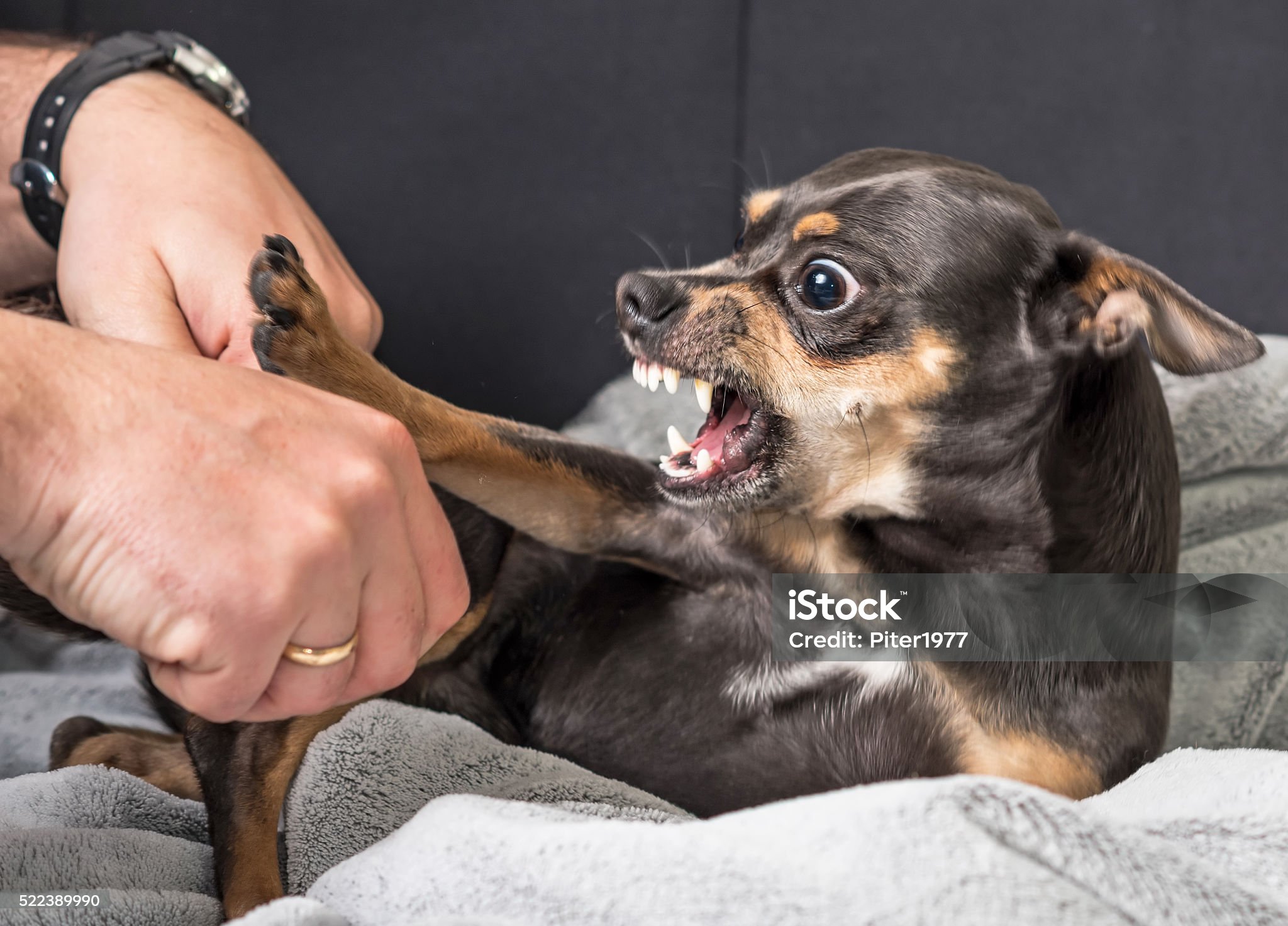
Aggression in dogs is a common behaviour challenge many pet owners face. While it can be distressing, it’s important to understand that dog aggression is often rooted in fear, anxiety, or frustration and can be managed with consistent training, patience, and understanding. With the right approach, you can help your dog feel more secure and decrease aggressive behaviours. Here’s a comprehensive guide to understanding dog aggression and training tips for managing it effectively.
Quick Recommendation: Our blog is filled with tips and tricks for training your dog. If you are looking for a comprehensive training program, we recommend K9 Training Institute.
Understanding Dog Aggression: Causes and Types
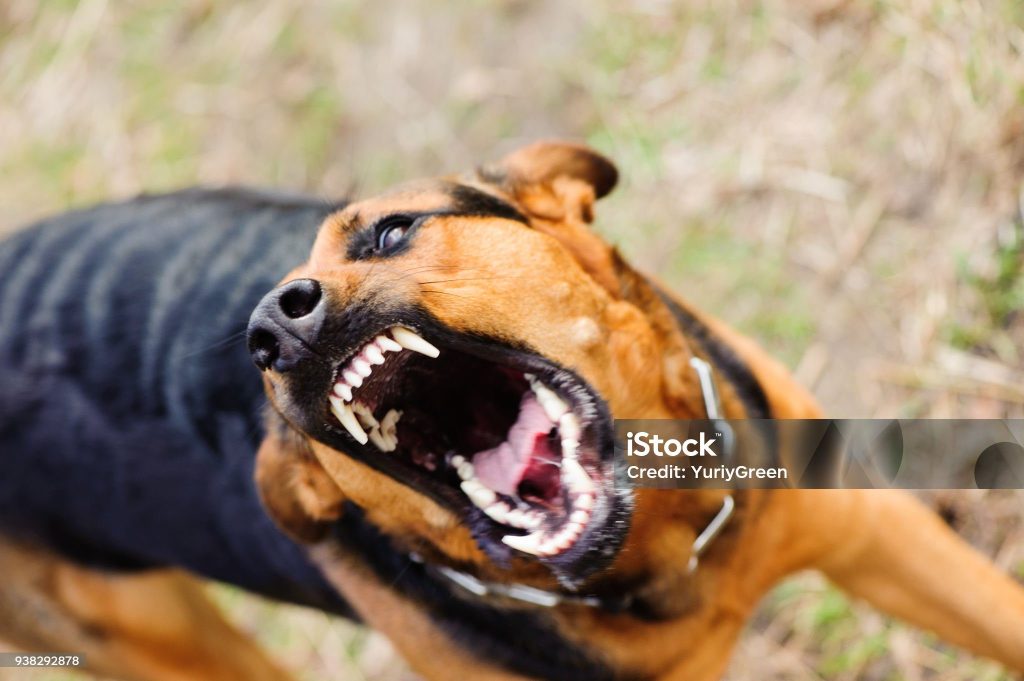
Aggression can appear in different forms, and each type often requires a slightly different approach. Common types of aggression in dogs include:
- Fear-Based Aggression: This is the most common form of aggression and is often caused by past trauma, insufficient socialization, or a lack of exposure to certain people, animals, or environments.
- Territorial Aggression: Some dogs are naturally protective of their space, including their home, yard, or personal items. Territorial aggression may manifest when a stranger enters a familiar space.
- Resource Guarding: This form of aggression occurs when a dog is protective of its food, toys, or other possessions. Guarding behaviors may escalate if a person or other animal tries to approach these resources.
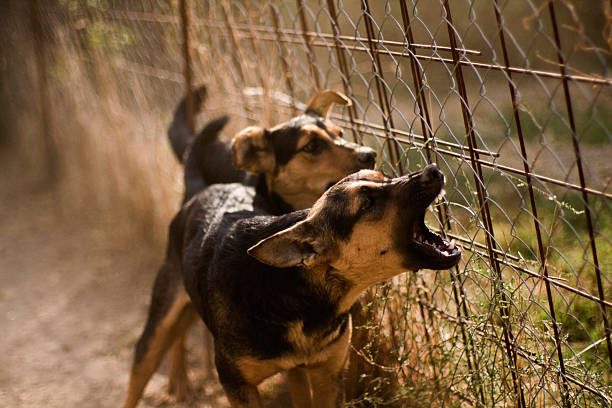
- Redirected Aggression: Dogs may become frustrated if they can’t reach a target, like another dog on the other side of a fence. This frustration can lead to aggressive behaviour directed at a nearby person or animal.
- Pain-Induced Aggression: If a dog is in physical pain due to injury or illness, it may become aggressive as a way of protecting itself from further discomfort.
Understanding the root cause of your dog’s aggression is critical because it will help you determine the best approach for managing and training.
Step 1: Safety First – Protecting People and Other Pets
Before beginning any training, prioritize safety. If your dog’s aggression poses a risk, take precautions:
- Use a Muzzle: When introducing your dog to new situations, consider using a comfortable, well-fitted muzzle. This is a temporary measure to keep both your dog and others safe.
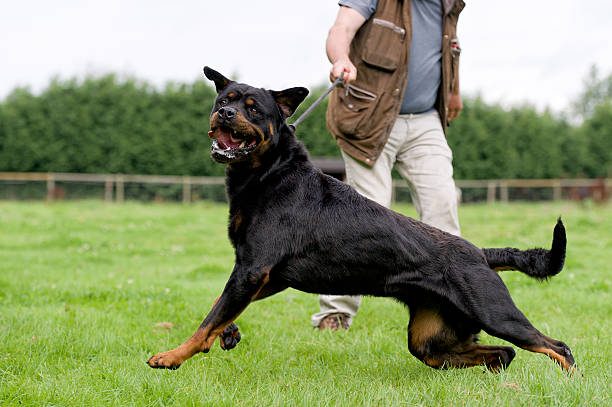
- Use a Leash: In situations where aggression is likely, always keep your dog on a leash. Leashes offer a sense of control, preventing them from approaching triggers.
- Avoid Aggression Triggers: While working on training, avoid environments or situations where your dog is likely to become aggressive.
Managing safety is the foundation of successful training because it ensures that everyone involved can stay calm and focused on progress.
Step 2: Establishing Yourself as a Calm Leader
Dogs are more likely to follow a confident and calm leader. This doesn’t mean using dominance; instead, establish yourself as a consistent, positive leader:
- Set Boundaries: Establishing routines and boundaries helps your dog know what to expect, reducing anxiety and promoting a sense of security.
- Use Positive Reinforcement: Reward good behaviour with treats, praise, and affection. This shows your dog that calm and positive behaviour yields positive results.
- Stay Calm: Dogs are highly intuitive and can sense your emotions. When dealing with aggressive behaviour, avoid reacting with anger or fear, as this can exacerbate aggression. Use a calm and even tone, as it helps your dog feel more secure.
Quick Recommendation: Our blog is filled with tips and tricks for training your dog. If you are looking for a comprehensive training program, we recommend K9 Training Institute.
Step 3: Training Tips for Managing Aggression
Once safety and leadership are established, begin training techniques to address and reduce aggressive behaviour.
Tip 1: Desensitization and Counter-Conditioning
Desensitization and counter-conditioning help a dog become more comfortable with things that trigger aggression. This technique works by gradually exposing your dog to its triggers in a controlled way, while associating those triggers with positive experiences.
- Identify Triggers: Start by observing your dog and identifying specific triggers, such as certain people, animals, or environments.
- Gradual Exposure: Begin exposing your dog to the trigger at a distance where it remains calm. Gradually decrease the distance over time.
- Pair with Rewards: Whenever your dog encounters the trigger and remains calm, immediately reward it with treats and praise. This builds a positive association with the trigger.
- Increase Exposure Slowly: Take gradual steps and don’t rush the process. Over time, your dog will start associating triggers with positive outcomes instead of aggression.
Tip 2: Redirect Focus with Commands
Teaching your dog to follow commands such as “sit,” “stay,” and “look at me” can help redirect its focus during potentially aggressive situations.
- Practice Basic Commands: Begin practicing these commands in a non-stressful environment. Use treats and praise to reinforce obedience.
- Introduce Commands with Triggers: When your dog can reliably follow commands, introduce them during situations that may trigger aggression. For example, if your dog becomes agitated around other dogs, practice commands when other dogs are at a distance.
- Reward Obedience: Always reward your dog for following commands in the presence of triggers. This reinforces calm behaviour.
Redirecting focus through commands is especially effective in situations where aggression is due to frustration or overstimulation.
Quick Recommendation: Our blog is filled with tips and tricks for training your dog. If you are looking for a comprehensive training program, we recommend K9 Training Institute.
Tip 3: Teach Impulse Control
Impulse control training helps your dog learn self-restraint, reducing aggressive reactions. This training focuses on patience and control over impulsive actions.
- Start with “Wait” and “Leave It”: Begin by teaching your dog to wait for permission before going after a treat or toy. Practice commands like “leave it” to encourage restraint.
- Gradually Introduce Triggers: Practice impulse control exercises in environments where triggers are present but not too close. Gradually increase the difficulty by moving closer to the trigger over time.
- Reinforce Calm Behaviour: Reward your dog for remaining calm and controlled, reinforcing its impulse control.
Impulse control exercises build your dog’s confidence and reduce the likelihood of an aggressive reaction.
Step 4: Addressing Specific Types of Aggression
Since different types of aggression may need slightly different approaches, here are some additional tips:
- For Fear-Based Aggression: Take it slow. Gradually expose your dog to new people, animals, and environments, focusing on building positive associations.
- For Territorial Aggression: Establish clear boundaries. If your dog guards certain areas, avoid those spaces during training, and reward calm behaviour in shared areas.
- For Resource Guarding: Teach your dog that sharing can be rewarding. Use positive reinforcement when your dog lets go of toys or moves away from food willingly.
- For Redirected Aggression: Increase physical activity and mental stimulation to help release pent-up energy. Regular walks, games, and puzzle toys can reduce frustration.
Step 5: Seeking Professional Help When Needed
If your dog’s aggression persists despite training, consider working with a professional dog trainer or a veterinary behaviorist. A professional can evaluate your dog’s behavior in detail and provide tailored training methods.
- Behaviourist Evaluation: Veterinary behaviourists are trained to assess and treat complex behavioural issues, often combining behavioural training with medical evaluation if needed.
- Positive Reinforcement Trainers: Choose trainers who specialize in positive reinforcement techniques. They can teach you effective and humane ways to manage aggression.
Professional help can be invaluable, especially for dogs with severe aggression, as they have experience in identifying underlying issues and providing effective solutions.
Conclusion
Managing aggression in dogs requires patience, consistency, and a commitment to understanding your dog’s unique needs. By implementing desensitization techniques, redirecting focus, teaching impulse control, and seeking professional guidance when necessary, you can help your dog develop calmer behaviours and enjoy a higher quality of life. Remember, dog aggression often stems from fear, frustration, or anxiety, and with the right training and approach, it can be managed effectively. As you work through these steps, celebrate small wins and reinforce positive behaviours, helping to build a trusting and secure bond with your dog.
Quick Recommendation: Our blog is filled with tips and tricks for training your dog. If you are looking for a comprehensive training program, we recommend K9 Training Institute.