
Introduction
Taking your dog to the vet is a crucial part of responsible pet ownership. However, many dogs find vet visits stressful due to unfamiliar sights, sounds, and smells. Preparing your dog in advance can reduce their anxiety, making the experience smoother for both you and your veterinarian. This guide will provide you with a step-by-step approach to training your dog for vet visits, covering the best practices and helpful tips to ensure your furry friend stays calm and comfortable.
Vet visits are essential for your dog’s health, whether it’s for vaccinations, routine check-ups, or emergency care. Unfortunately, many dogs experience fear and anxiety in veterinary settings. But with patience, consistency, and positive reinforcement, you can help your dog overcome their fears. This article will cover the importance of desensitization, step-by-step training techniques, and the best ways to support your dog before, during, and after a vet visit.
Quick Recommendation: Our blog is filled with tips and tricks for training your dog. If you are looking for a comprehensive training program, we recommend Spiritdogtraining.

Why Preparing Your Dog for Vet Visits is Importan
Vet visits are more than just check-ups; they are essential for your dog’s long-term health. However, an anxious or fearful dog may struggle during examinations, making it harder for the vet to provide necessary care. Training your dog for these visits has several benefits:
- Less stress: Desensitizing your dog to the vet environment can reduce their anxiety levels.
- Improved cooperation: A calm dog is easier to handle, making procedures quicker and more effective.
- Enhanced safety: Reducing stress minimizes the chance of defensive behaviors like biting or scratching.
- Long-term health benefits: When your dog is calm, veterinarians can conduct a thorough exam and detect potential health issues early.
Step 1: Desensitize Your Dog to Being Handled
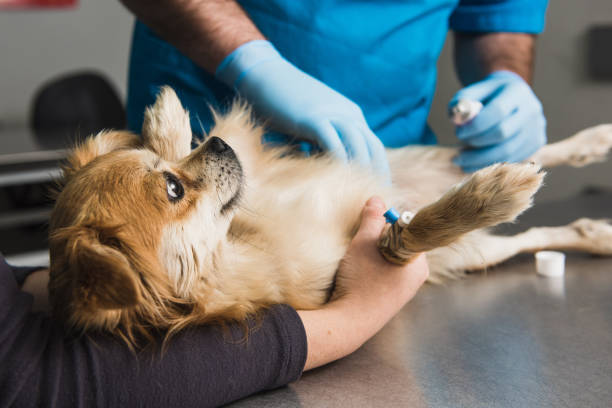
Dogs often feel uneasy when unfamiliar hands are touching them. To prepare your dog for a vet visit, start by helping them get comfortable with different types of handling.
- Practice at Home: Spend time gently handling your dog’s paws, ears, tail, and mouth. Start with a gentle touch, then gradually increase the pressure as your dog gets more comfortable.
- Reward Positive Behavior: Each time your dog remains calm, reward them with a treat and praise. This reinforces that being touched is a positive experience.
- Increase Duration Gradually: Over time, increase the duration of these handling sessions to get your dog used to longer exams.
Tip: Use treats they love, like small pieces of chicken or cheese, to create a positive association with handling.
Step 2: Get Your Dog Used to the Vet Environmen
If your dog is only exposed to the vet’s office during visits, they may associate it with stress. Familiarizing your dog with the clinic can ease their nerves.
- Make Social Visits: Call your vet to see if you can bring your dog by for a brief visit without any examination. This helps your dog become familiar with the sights, sounds, and smells of the clinic without any stressful interactions.
- Reward Calm Behavior: Bring treats along to reward calm behavior. Over time, your dog will associate the vet’s office with positive experiences.
- Repeat Regularly: Schedule social visits periodically to maintain your dog’s comfort level. Some vet clinics even offer special programs for socialization.
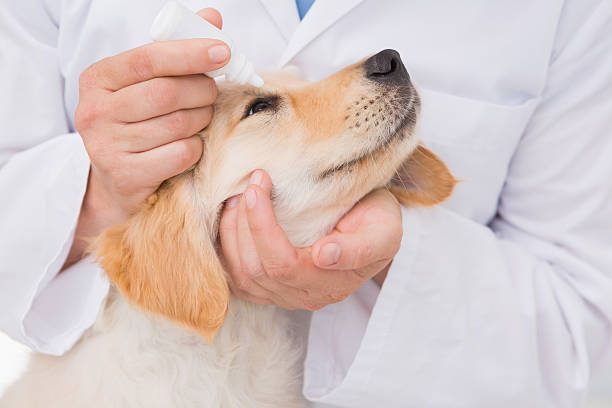
Note: Some clinics have designated “happy visits,” where pets are given treats and attention without any procedures, helping build positive associations.
Step 3: Use Positive Reinforcement to Reduce Anxiety
Positive reinforcement is one of the most effective methods for training dogs, especially when reducing anxiety associated with vet visits.
- Introduce a Favorite Toy: During training sessions and actual vet visits, bring a favorite toy to help soothe your dog and give them something familiar to focus on.
- Use Treats Generously: Give treats before, during, and after the vet visit to maintain your dog’s positive mood. This continuous reinforcement helps them stay calm and relaxed.
- Praise and Reassure: Dogs are sensitive to their owner’s emotions, so stay calm and provide plenty of verbal praise to let your dog know they’re doing well.
Quick Recommendation: Our blog is filled with tips and tricks for training your dog. If you are looking for a comprehensive training program, we recommend Spiritdogtraining.
Tip: Try to use low-calorie treats or break larger treats into small pieces so that you don’t overfeed your dog during these training sessions.
Step 4: Practice Car Rides and Crate Training
For many dogs, the journey to the vet is as stressful as the visit itself. If your dog isn’t used to car rides or crates, this could add to their anxiety.
- Practice Car Rides: Start by taking your dog on short car rides and gradually increase the duration. Each time you get in the car, make it a positive experience by offering treats or their favorite toy.
- Introduce the Crate: If your dog travels in a crate, make sure they are comfortable and familiar with it. Allow them to enter and exit the crate freely and reward them when they do.
- Calm Environment: Keep the car environment as calm as possible. Play soft music and avoid any sudden loud noises that might startle your dog.
Pro Tip: Some dogs experience motion sickness. Talk to your vet if this is an issue, as they may recommend treatments or behavioral techniques to help.
Step 5: Train Your Dog to Wear a Muzzle (If Necessary)
Some vet procedures require dogs to wear a muzzle for safety. Muzzle training, when done positively, can help make this part of the process stress-free.
- Introduce the Muzzle Gently: Place treats inside the muzzle and let your dog sniff and explore it at their own pace. Don’t force them to wear it immediately.
- Short Training Sessions: Once they’re comfortable, encourage them to wear the muzzle for short periods, rewarding them with treats and praise. Gradually extend the time as they get more comfortable.
- Practice Regularly: Regular muzzle training, even outside of vet visits, can help your dog accept it without fear.
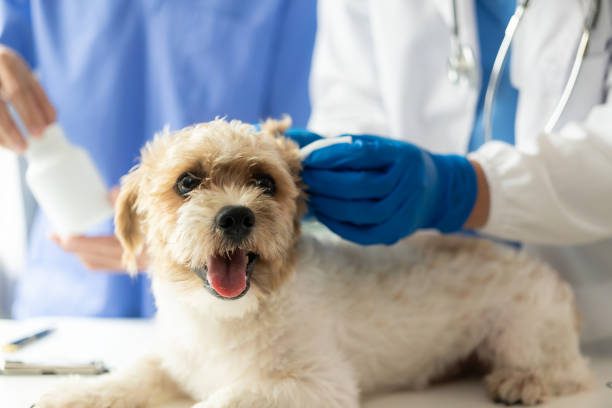
Tip: Use a basket-style muzzle, which allows your dog to pant, drink, and take treats while wearing it.
Step 6: Plan and Prepare for the Day of the Visit
Proper planning on the day of the vet visit can greatly reduce your dog’s anxiety.
- Avoid Feeding Before the Visit: Some dogs experience nausea or discomfort if they eat before the visit. Check with your vet, but generally, feeding your dog after the visit is best.
- Exercise Beforehand: Take your dog for a walk before the visit to burn off extra energy and promote calmness. Exercise also releases endorphins, which can help your dog feel relaxed.
- Bring Comfort Items: A blanket, favorite toy, or familiar item from home can help keep your dog calm in the clinic waiting room.
Note: Try to stay relaxed yourself, as your dog can pick up on your emotions. Your calmness will help reassure them that there’s nothing to fear.
After the Vet Visit: Recovery and Reinforcement
Once you’ve completed the vet visit, continue reinforcing calm behavior and rewarding your dog to create a lasting positive association.
- Praise and Treat: Once you’re back in the car or at home, give your dog treats and praise for their bravery. This reinforces that they did well.
- Allow Rest: A vet visit can be tiring for dogs, both physically and mentally. Give them a quiet space to rest and recuperate.
- Plan a Positive Activity: Follow up the vet visit with a fun activity, like a trip to the park or playtime at home, so they end the day on a high note.
Pro Tip: If the visit was particularly stressful, spend extra time comforting your dog, but avoid reinforcing fearful behavior. Reward calmness and relaxation.
Conclusion
Training your dog for vet visits takes time, consistency, and a lot of patience, but the effort is well worth it. By desensitizing your dog to handling, familiarizing them with the vet environment, using positive reinforcement, and preparing for the journey, you can make vet visits less stressful for your furry friend. This not only helps your dog feel safe but also improves the quality of care they receive. With these steps, you’ll be well on your way to helping your dog develop the confidence they need to face vet visits calmly and comfortably.
Quick Recommendation: Our blog is filled with tips and tricks for training your dog. If you are looking for a comprehensive training program, we recommend Spiritdogtraining.