
Introduction
Training a dog successfully requires a blend of consistency, patience, and an understanding of a dog’s natural needs. Among these, exercise is a crucial yet often underappreciated component that significantly affects a dog’s learning capabilities. Just like humans, dogs need physical and mental stimulation to maintain overall health, and integrating exercise into their routine can be transformative for training success. This article will explore how exercise impacts dog training, why it’s essential, and practical ways to incorporate it effectively.
Quick Recommendation: Our blog is filled with tips and tricks for training your dog. If you are looking for a comprehensive training program, we recommend K9 Training Institute.
Why Exercise Matters in Dog Training
Exercise is more than just a way to release pent-up energy; it plays a vital role in a dog’s mental and emotional well-being, directly influencing their responsiveness and behaviour. Lack of exercise can lead to frustration, restlessness, and even behavioural issues like barking, digging, and chewing, which can make training more challenging. Regular physical activity, on the other hand, promotes focus, reduces anxiety, and improves mood—all of which enhance a dog’s learning capacity.
Incorporating exercise into a dog’s daily routine not only satisfies their need for activity but also helps them to relax, which is particularly beneficial for training sessions. Dogs that are adequately exercised are often more receptive, willing to learn, and display improved impulse control. Understanding the connection between exercise and mental health can help trainers and dog owners achieve better outcomes with their training efforts.
How Exercise Influences Learning and Memory in Dogs
Exercise has been shown to stimulate the production of certain chemicals in the brain, such as dopamine and endorphins, which contribute to improved mood, memory, and learning capacity. When a dog engages in physical activity, blood flow to the brain increases, enhancing cognitive functions and making it easier for them to focus on commands. This increased blood flow also aids in memory retention, making it easier for dogs to remember commands and routines.
A well-exercised dog is not only more capable of learning new behaviours but is also less likely to display signs of stress or anxiety during training. Stress is a significant factor that can hinder a dog’s ability to retain information and respond to commands, and exercise acts as a natural stress reliever. Additionally, regular activity can improve a dog’s resilience to frustration, which is crucial for complex training sessions or situations requiring patience.
The Connection Between Exercise and Behaviour
Behaviour is a critical aspect of successful training, and exercise directly influences a dog’s behaviour. When a dog does not receive sufficient exercise, they are more likely to display unwanted behaviours as an outlet for their unused energy. Common behavioural issues arising from inactivity include:
- Destructive Chewing: Without an outlet for their energy, dogs may chew on furniture, shoes, or other household items.
- Excessive Barking: Pent-up energy can lead to excessive barking as dogs try to release their frustration.
- Digging: Dogs with too much energy may engage in destructive digging behaviours.
On the flip side, dogs that receive adequate exercise tend to be calmer and more responsive to training. Their behaviour becomes more manageable, making it easier for trainers to focus on specific commands and behavioural modifications without constantly addressing hyperactivity or impulsivity.
Exercise also encourages social behaviour, making dogs less likely to be aggressive or fearful in various settings. Socially well-adjusted dogs are easier to train in public spaces or around other dogs, which is especially beneficial for owners working on obedience or advanced training commands.
Quick Recommendation: Our blog is filled with tips and tricks for training your dog. If you are looking for a comprehensive training program, we recommend K9 Training Institute.
Types of Exercise That Complement Dog Training
While any physical activity is beneficial, certain types of exercise can be particularly effective for enhancing training results. Choosing the right activities can depend on the dog’s breed, age, and fitness level, but here are a few effective exercise options to consider:
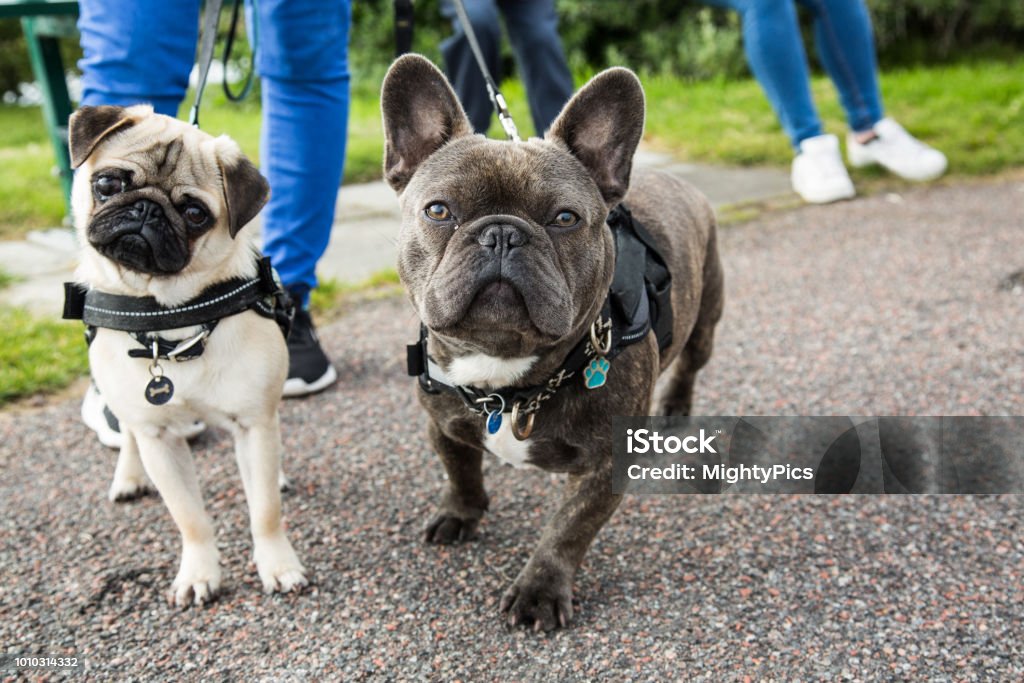
- Walks and Runs: Regular walks are fundamental for a dog’s physical and mental health. For high-energy breeds, adding runs or jogging sessions can help burn extra calories and keep them engaged.
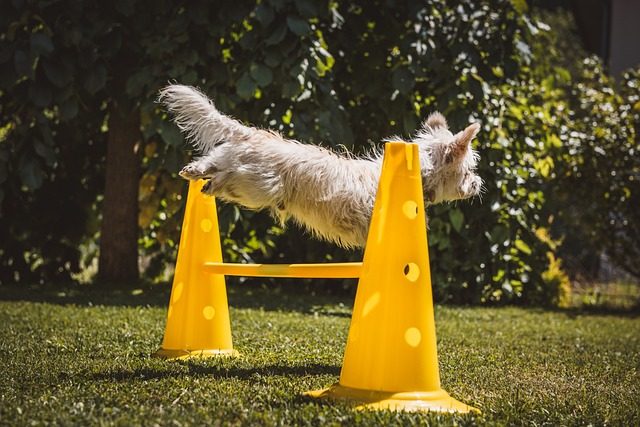
- Agility Training: Agility exercises, such as running through tunnels or jumping over hurdles, are both mentally and physically stimulating. These activities not only help improve focus and coordination but also make training sessions more engaging for the dog.
- Fetch and Tug-of-War: Playing games like fetch or tug-of-war encourages physical activity while promoting obedience through commands like “drop it” or “stay.” These games are interactive and help build trust and communication between the dog and the trainer.
- Swimming: Swimming is an excellent low-impact exercise, ideal for dogs with joint issues or those needing a break from high-impact activities. Swimming can be both fun and tiring, making it a great addition to training programs.
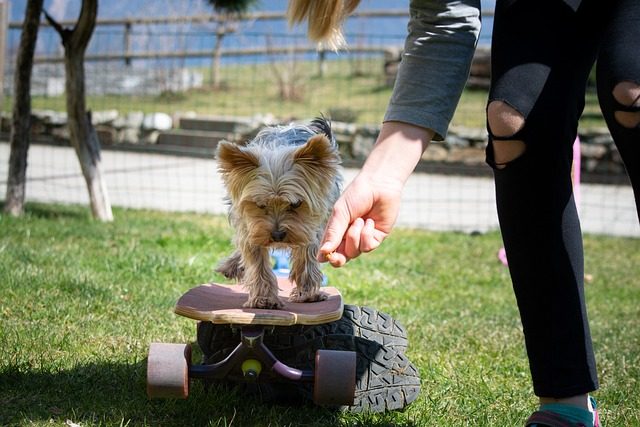
- Mental Exercise (Puzzle Toys and Obstacle Courses): Mental stimulation is just as crucial as physical exercise. Interactive toys or basic obstacle courses can help a dog develop problem-solving skills, improving their overall obedience and adaptability to training.
Timing Exercise to Maximize Training Success
Knowing when to incorporate exercise into a dog’s daily routine can significantly impact training effectiveness. Ideally, a short exercise session before training can help release excess energy, allowing the dog to focus better on learning. However, it’s essential not to over-exercise them, as this can lead to fatigue and make it harder for the dog to pay attention.
A balanced approach is best. A brisk 10-15 minute walk before a training session is generally enough to engage a dog’s mind and body, especially for young or high-energy dogs. After training, a longer exercise session can be an excellent way to reinforce what they’ve learned, while also rewarding them for their efforts
How Exercise Builds the Bond Between Dog and Owner
Exercise is also an opportunity to strengthen the bond between a dog and its owner or trainer, which is a key factor in successful training. When dogs and owners engage in physical activities together, they develop trust and companionship, which makes the dog more receptive to learning commands. This shared experience fosters a positive relationship, reducing the need for corrective actions and improving the dog’s willingness to obey.
Additionally, activities like agility training or fetch reinforce basic obedience commands in a real-world setting, which helps solidify the dog’s understanding and retention of commands. The more trust a dog has in their owner, the more secure they feel, resulting in a dog that is more eager and motivated to please.
Exercise as a Foundation for Consistency
Consistency is one of the most important principles in dog training, and exercise plays a foundational role in achieving it. Regularly scheduled exercise helps establish a routine, allowing dogs to anticipate training times and be mentally and physically prepared. When dogs understand their daily routine, they are less anxious, which improves their ability to learn and retain new commands.
For dog owners working on specific behaviour modifications, exercise can be an excellent way to reinforce consistent behaviours. For example, if a dog is being trained to stop pulling on a leash, combining that training with a daily walk can help the dog understand the desired behaviour in a real-world context. Consistency in both exercise and training ensures that lessons are reinforced, reducing the likelihood of regression.
Conclusion
Exercise is not just beneficial but essential to successful dog training. It impacts a dog’s behaviour, learning ability, and emotional well-being, all of which contribute to a more responsive and adaptable companion. By incorporating the right type of exercise and timing it strategically, dog owners and trainers can create an optimal environment for learning. Whether it’s through simple daily walks, agility exercises, or interactive play, exercise enhances a dog’s focus, reduces anxiety, and fosters a stronger bond between dog and owner.
Ultimately, exercise lays the groundwork for effective and enjoyable training sessions, enabling dogs to reach their full potential while becoming happier, healthier, and better-behaved companions.
Quick Recommendation: Our blog is filled with tips and tricks for training your dog. If you are looking for a comprehensive training program, we recommend K9 Training Institute.