
Training your dog can be rewarding, but it’s not always easy. You might face common mistakes that slow down progress and upset good behavior. Knowing these mistakes is key to successful obedience training, making your dog a well-behaved friend.
By avoiding these errors, you’ll build a stronger bond with your dog. Being consistent, using the right rewards, and understanding dog psychology are all important. Let’s explore these mistakes and how to avoid them for better training results.
Quick Recommendation: Our blog is filled with tips and tricks for training your dog. If you are looking for a comprehensive training program, we recommend K9 Training Institute.
Overlooking Consistency
One of the biggest mistakes in dog training is ignoring consistency. It’s key to have regular training routines. This helps your dog learn faster and better.
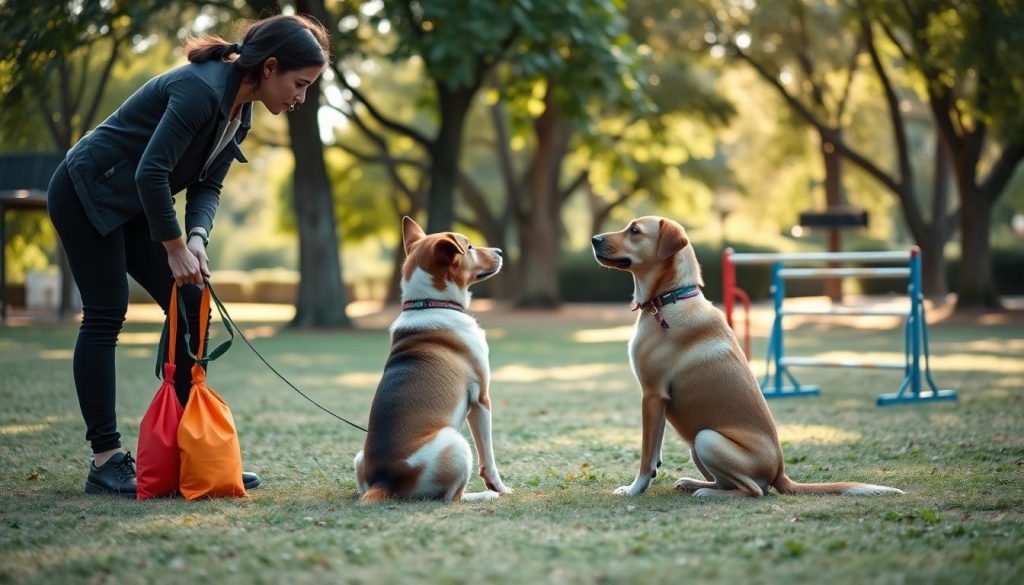
It’s also important to use effective reinforcement. Reward your dog for good behavior and following commands. Without it, your dog might get confused and learn slower.
Having a set training schedule helps a lot. It ensures your dog gets the reinforcement they need. This makes learning more efficient and helps avoid setbacks. Remember, consistency is crucial for successful dog training.
Quick Recommendation: Our blog is filled with tips and tricks for training your dog. If you are looking for a comprehensive training program, we recommend K9 Training Institute.
Using Negative Reinforcement
Choosing the right dog training techniques is key for behavior correction. It’s important to know the difference between positive and negative reinforcement. Negative reinforcement can make your dog scared and anxious, leading to more problems.

Positive reinforcement is a better and kinder way to teach your dog. It rewards good behavior, helping your dog to do it again. This method helps your dog learn better and strengthens your bond.
Modern dog training focuses on positive methods. Trainers like Cesar Millan suggest using positive reinforcement. This approach makes your dog happy and well-behaved, enjoying their training.
Training Sessions That Are Too Long
Effective dog training depends a lot on how long each session lasts. Many people think longer sessions mean better results. But dogs can only focus for so long before they get tired or bored.

Long training sessions can make your dog too tired to learn. Short, more frequent sessions are better. They match your dog’s natural focus and make each session count.
For young dogs or those new to training, keep sessions short. Aim for 10 to 15 minutes. Watch for signs like yawning, wandering, or ignoring commands. These signs mean it’s time to end the session and start fresh.
Skipping Socialization
Dog socialization is key to avoiding future behavioral problems. If you skip this step, your dog might struggle to get along with others. Early training should include various social experiences to help your dog learn social skills.

Puppies are open to new things during their early years. Introducing them to different places, people, and animals is crucial. Without this, they might become fearful, anxious, or aggressive.
Starting dog socialization early helps with training and long-term behaviour. A well-socialized dog is happier, more flexible, and has a better life.
Quick Recommendation: Our blog is filled with tips and tricks for training your dog. If you are looking for a comprehensive training program, we recommend K9 Training Institute.
Failing to Use Rewards Appropriately
Using rewards right is key in dog training. When done well, rewards help your dog learn and remember new tricks. Positive reinforcement, for example, uses treats, praise, or playtime to encourage good behavior.
Timing is everything with positive reinforcement. Reward your dog right after they do what you want. This way, they know exactly what they did right. Small treats, pets, or favorite toys are great motivators that make training fun.
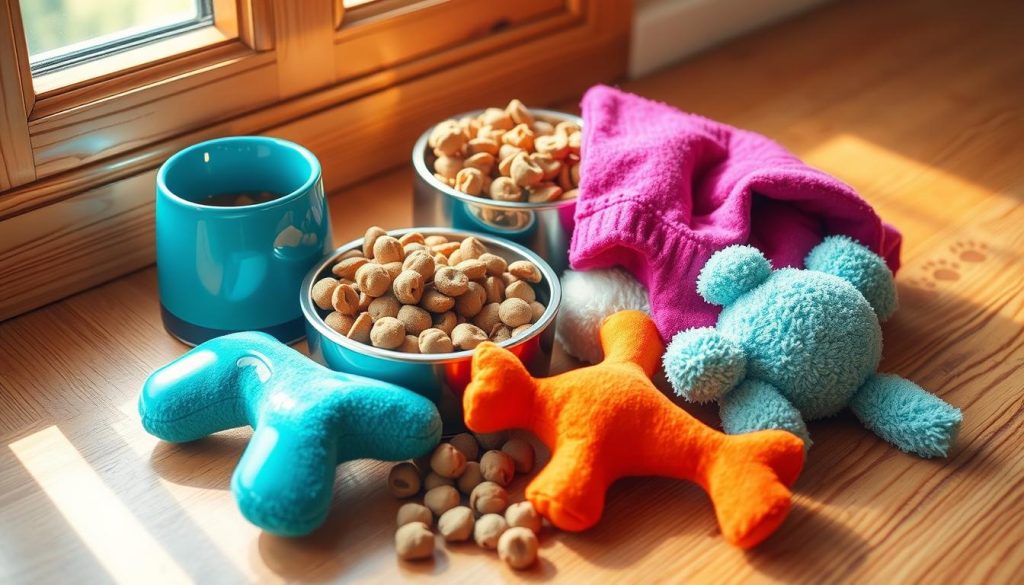
Trying different rewards can also help. Each dog likes something different, so mix up treats, praise, and activities. This not only helps them learn but also strengthens your bond. Using rewards wisely means you’ll have a happy, eager-to-please dog.
Quick Recommendation: Our blog is filled with tips and tricks for training your dog. If you are looking for a comprehensive training program, we recommend K9 Training Institute.
Expecting Instant Results
It’s natural to want fast results when training your dog. But, the truth is, it takes time and patience. Setting realistic goals is key to avoid getting frustrated with your pet.
Dog training patience is crucial; expecting quick results can slow you down. Training is a journey, not a sprint. Setting achievable goals helps you see steady progress, which is better in the long run.
Every dog learns at its own speed. Building trust with your dog is vital for good training. Celebrate small wins and stay dedicated to the process. The effort you put in now will lead to a well-behaved and joyful dog later. Patience is a big virtue in dog training.
Inconsistency Among Family Members
One big mistake in dog training is when family members don’t agree. It’s key to have clear rules for training to avoid confusing your dog. When commands vary, it messes up the training. That’s why it’s important for everyone to work together.
First, make sure everyone agrees on commands and rules. This makes your dog feel secure and understood. Dogs love routine and knowing what to expect.
Second, have family meetings to talk about training progress. This helps everyone stay in sync with the training. It’s important for a consistent approach to training.
Lastly, group activities like walks and playtime are great. They help your dog remember what they’ve learned. When everyone is involved, your dog gets consistent feedback, speeding up training.
Starting Training Too Late
Starting training early can change your dog’s life. Early dog training is key because it uses the critical learning periods of a puppy’s growth. These times are when your puppy is most open to learning new things.
Starting puppy training early helps shape their behavior. It makes them well-behaved and confident as adults. But, if you adopt an older dog, don’t worry. They can still learn with consistent and patient training.
Remember, every dog learns at their own speed. Starting later just means you need more patience and effort. Training strengthens your bond with your dog, making your home a happier place.
Quick Recommendation: Our blog is filled with tips and tricks for training your dog. If you are looking for a comprehensive training program, we recommend K9 Training Institute.
Ignoring Exercise Needs
Not paying attention to your dog’s exercise needs can harm their health and training. A good dog exercise routine keeps them fit and happy. It also helps their mental health.
Regular physical activity helps release energy that might cause bad behavior. Active training keeps your dog focused, making learning easier.
There are many ways to add exercise to your day. Try brisk walks, playtime in the yard, or interactive games. These activities meet your dog’s needs and strengthen your bond.
Ignoring exercise can hurt training efforts. It’s key to mix active training with a good exercise routine. This approach improves your dog’s behavior and training success.
Poor Communication
Good communication between dog and owner is key for training success. Many owners struggle because they don’t give clear commands or don’t understand their dog’s signals. Knowing and using the right training signals can greatly improve your dog’s behavior.
Make sure your commands are clear and consistent. Don’t use different words for the same command, as it can confuse your dog. For example, always say “sit” and not “sit down” or “down now.” This consistency helps your dog understand and follow commands better.
Also, watch your dog’s body language and signals closely. Dogs often show their feelings through their posture, tail, and face. By recognizing these signals, you can adjust your training to meet your dog’s needs better.
Conclusion
Understanding and fixing common dog training mistakes can lead to success. Consistency is crucial. Without it, your dog might get confused and not listen. Use positive reinforcement, keep training short, and socialize your dog well.
Being patient and not expecting quick results is important. Building trust with your dog takes time. Make sure everyone in the family trains your dog the same way. Start training early and remember to exercise and communicate well with your dog.
By following these tips, you can avoid mistakes and have a happy, obedient dog. Your hard work will make your home happier and strengthen your bond with your pet. Successful dog training is about more than just commands. It’s about creating a loving and understanding relationship.
Quick Recommendation: Our blog is filled with tips and tricks for training your dog. If you are looking for a comprehensive training program, we recommend K9 Training Institute.