

Introduction
Traveling with a dog can be an incredible experience, but it requires careful preparation to ensure both safety and enjoyment for you and your pet. From health check-ups to packing the right supplies, preparing your dog for a trip can make all the difference in a seamless journey. Whether it’s a quick weekend getaway or an extended road trip, here’s what you need to know about getting your dog ready for travel.
Quick Recommendation: Our blog is filled with tips and tricks for training your dog. If you are looking for a comprehensive training program, we recommend Spiritdogtraining.
1. Health Check-Up and Vaccinations
Before any journey, schedule a vet visit to ensure your dog is in optimal health. Traveling, especially to new locations, exposes your dog to different environments, which may come with health risks. Your vet can:
- Ensure your dog’s vaccinations are up-to-date, especially rabies, as many destinations require proof of this vaccination.
- Check your dog’s overall health, including heart and respiratory function, to ensure they’re fit for travel.
- Discuss flea, tick, and heartworm prevention, particularly if you’re going to rural or wooded areas.
- Obtain any necessary medications or prescriptions your dog may need, especially if you’re going abroad.
Also, ask your vet for a copy of your dog’s health certificate, which may be required by airlines and some hotels. Having a recent health record can prevent complications and help in emergencies.
2. Crate Training for Safe Travel
If your dog isn’t already comfortable with a crate, it’s time to start crate training. Crates can be incredibly helpful for maintaining a secure, relaxing environment during car or plane travel. Here’s how to approach it:
- Choose the Right Size: The crate should be large enough for your dog to stand up, turn around, and lie down comfortably. A crate that’s too small can cause discomfort, while one that’s too big may not feel secure.
- Introduce the Crate Gradually: Place treats or toys inside the crate to encourage your dog to explore it willingly. Start by letting your dog spend a few minutes inside with the door open, gradually extending the time as they become comfortable.
- Use Positive Reinforcement: Reward your dog every time they enter the crate voluntarily. This positive association helps reduce stress and makes the crate a pleasant space.
- Practice Short Trips: Once your dog is comfortable with the crate, try short car trips to help them get accustomed to travel. Gradually build up to longer journeys as they adapt.
Proper crate training will help keep your dog calm and secure, making the journey smoother for both of you.
3. Packing Essentials for Your Dog
When packing for your trip, think about what your dog might need to feel comfortable and safe away from home. Here’s a checklist of essentials:
- Food and Water: Pack enough food for the duration of the trip, as your dog may not adjust well to new brands in unfamiliar settings. Bring bottled water to avoid gastrointestinal issues.
- Collapsible Bowls: Portable and easy to pack, collapsible bowls are perfect for quick water or food breaks.
- Leash, Collar, and ID Tags: Ensure your dog’s collar has updated identification tags with your contact information. Bring a sturdy leash and consider a harness for better control.
- Waste Bags: Be a responsible traveler by cleaning up after your pet.
- Familiar Bedding or Blanket: Having a familiar scent can reduce anxiety and provide comfort.
- Toys and Chews: Pack a few of your dog’s favourite toys to keep them entertained.
- First Aid Kit: Include basic first-aid supplies, such as bandages, antiseptic wipes, tweezers, and any prescribed medications.
- Grooming Supplies: Depending on your destination, your dog might need regular grooming, so pack a brush and wipes to keep them clean.
4. Planning Dog-Friendly Destinations and Accommodations
Not all places are dog-friendly, so take time to research dog-friendly destinations, accommodations, and activities. Here are a few tips:
- Check Pet Policies: Confirm with your accommodations about pet policies, fees, and any restrictions. Some hotels provide pet-friendly amenities like dog beds, treats, or designated play areas.
- Explore Dog-Friendly Restaurants: Look for restaurants with outdoor seating that welcome pets. This way, you won’t have to leave your dog behind during meal times.
- Find Dog Parks and Trails: Research dog parks, nature trails, or other outdoor spaces where your dog can safely explore and exercise.
Planning around dog-friendly activities will ensure your dog feels part of the adventure and prevent any last-minute inconveniences.
Quick Recommendation: Our blog is filled with tips and tricks for training your dog. If you are looking for a comprehensive training program, we recommend Spiritdogtraining.
5. Preparing for the Journey
The travel day can be overwhelming, but with proper preparation, you can ease your dog’s anxiety and make the experience enjoyable. Here are a few pointers:
- Exercise Before Departure: Give your dog plenty of exercise before the trip. A tired dog is more likely to relax and sleep during the journey.
- Limit Food Intake: Avoid feeding your dog right before the journey to prevent motion sickness. Offer a small meal a few hours before departure, and wait until you’ve arrived for their next full meal.
- Plan for Regular Breaks: If you’re on a road trip, plan regular stops every 2-3 hours to let your dog stretch, relieve themselves, and drink water.
- Use Calming Products: If your dog is prone to travel anxiety, consult your vet about natural calming aids like CBD oil, calming treats, or pheromone sprays.
With a structured approach, travel day can be a stress-free experience that sets the tone for a fun trip.
6. Safety Tips for Traveling by Car
Car travel is one of the most common ways people travel with pets, and with a few safety measures, it can be a comfortable experience:
- Secure Your Dog: Use a pet seat belt or travel harness to keep your dog safe. Loose pets can be distracting and are at risk during sudden stops.
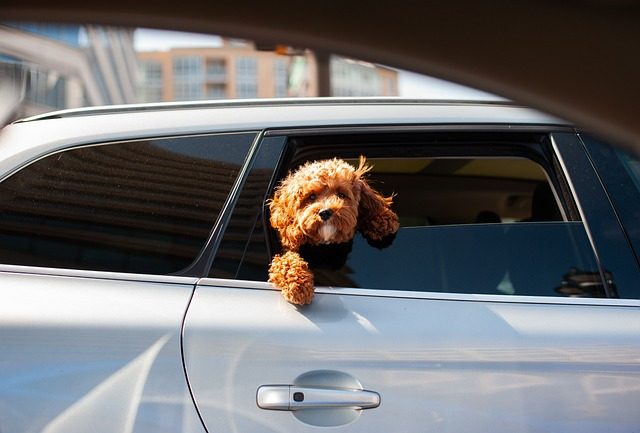
- Keep Heads Inside: Although dogs love sticking their heads out of windows, this can lead to injuries from debris. Keep your dog securely inside the vehicle.
- Avoid Leaving Them Alone: Temperatures inside a parked car can quickly become dangerous, even with the windows cracked open. If you need to leave the car, make sure it’s only for a short time and that your dog remains comfortable.
Following these car safety tips ensures your dog’s well-being and a worry-free journey.
7. Flying with Your Dog: What You Need to Know
Flying with a dog requires specific planning and is typically more stressful than car travel. Here’s what to consider:
- Know the Airline’s Pet Policies: Each airline has its own rules and fees for pet travel. Small dogs may be allowed in the cabin if they can fit in a carrier under the seat, but larger dogs usually travel in the cargo area.
- Get an Airline-Approved Carrier: If your dog is flying in the cabin, the carrier must meet the airline’s size requirements. It should be well-ventilated, comfortable, and allow your dog enough room to move.
- Book Direct Flights: Whenever possible, book direct flights to minimize stress for your dog. Layovers can be difficult for pets, and it’s best to avoid them if possible.
- Consider Sedation Carefully: Sedating pets is generally not recommended for air travel, especially for cargo travel, as it can increase health risks. Always consult your vet before considering sedation.
Being well-informed about airline policies and making smart choices can ensure your dog’s flight is as comfortable as possible.
8. Preparing for Your Dog’s Return Home
Just as you prepared for the trip, it’s important to consider your dog’s needs once you’re back home. Many dogs may need time to readjust after a trip, especially if it was long or involved air travel. Here are some tips:
- Ease Back into Routine: Dogs thrive on routine, so help them settle back into their daily schedule by resuming regular walks, feeding times, and playtime.
- Watch for Signs of Stress or Illness: Some dogs may experience stress or even mild illness after travel. Keep an eye on their behaviour, appetite, and energy levels, and consult your vet if you notice any unusual symptoms.
- Grooming and Cleaning: After a trip, give your dog a thorough bath and check for ticks or other parasites, especially if you spent time outdoors.
Returning to normalcy can help your dog decompress and get back to feeling at home.
Conclusion
With thoughtful preparation, traveling with your dog can be a rewarding experience that strengthens the bond you share. From health check-ups to packing essentials, each step plays a role in making the journey comfortable and safe for your pet. By following these guidelines, you can ensure that both you and your dog enjoy a memorable adventure together. Safe travels!
Quick Recommendation: Our blog is filled with tips and tricks for training your dog. If you are looking for a comprehensive training program, we recommend Spiritdogtraining.