
Introduction
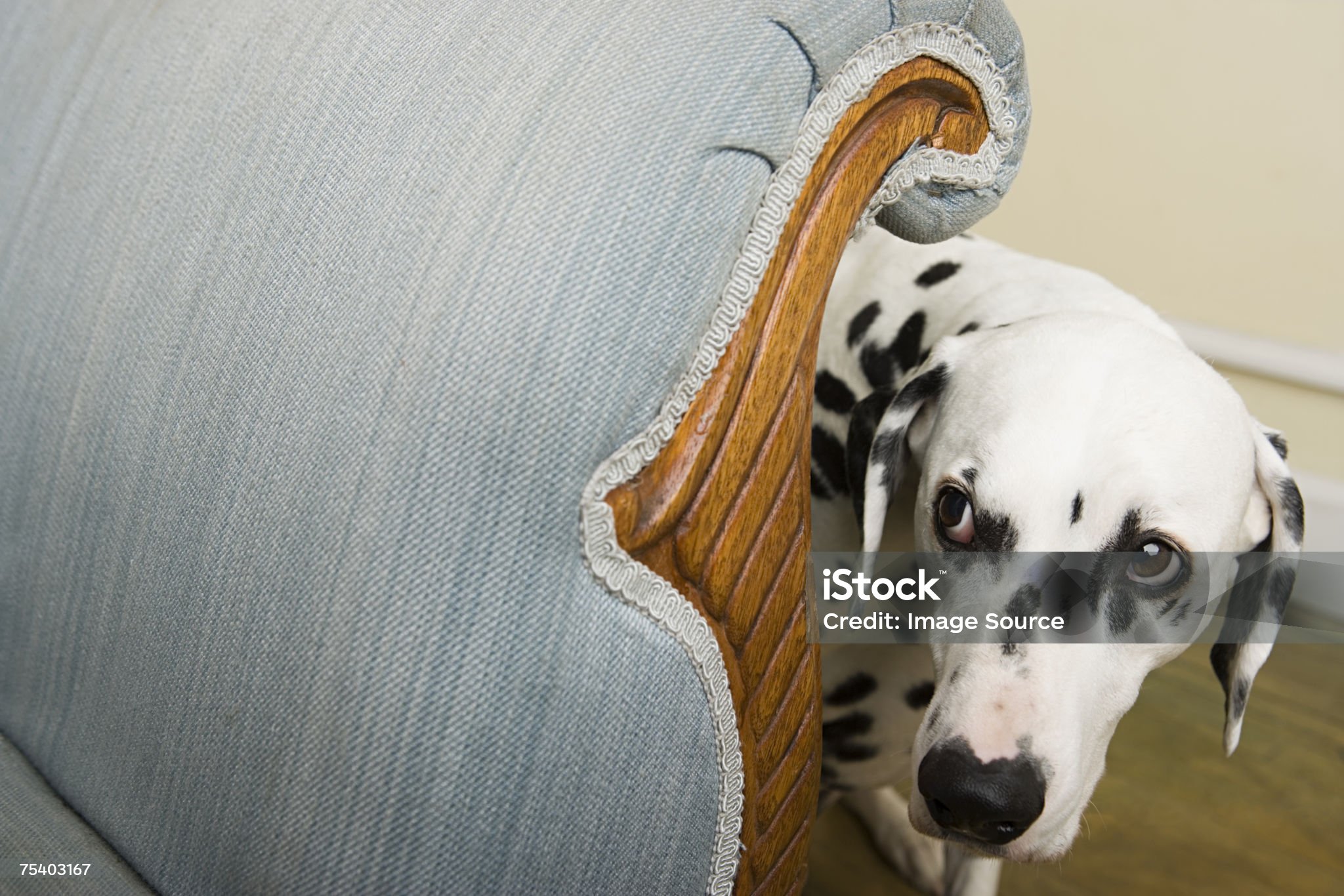
Separation anxiety is a common but challenging condition in dogs, affecting both the pet and the owner. Dogs are inherently social animals, often forming strong bonds with their human families. When left alone, some dogs experience significant distress, leading to behavioural issues, such as excessive barking, destructive chewing, or attempts to escape. Understanding separation anxiety and employing effective strategies can help mitigate this condition, ensuring a happier and healthier life for both the dog and its owner.
Quick Recommendation: Our blog is filled with tips and tricks for training your dog. If you are looking for a comprehensive training program, we recommend Spiritdogtraining.
What Is Separation Anxiety in Dogs?
Separation anxiety occurs when a dog becomes overly distressed when separated from their owner or primary caregiver. Unlike mild loneliness or boredom, separation anxiety is a psychological response, often triggered by intense feelings of abandonment or fear. While some dogs are naturally more independent, others struggle when left alone, becoming anxious and exhibiting problematic behaviours.
Common signs of separation anxiety in dogs include:
- Excessive barking or whining: This may start as soon as the owner leaves and continue for hours.
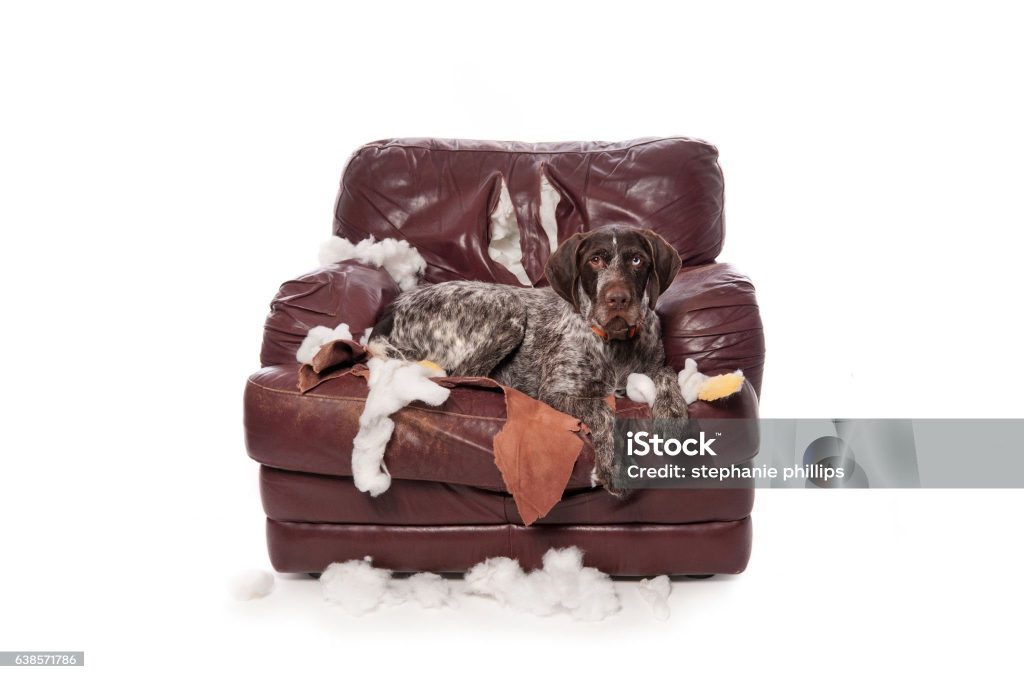
- Destructive behavior: Dogs with separation anxiety may chew on furniture, shoes, or walls.
- Attempting to escape: Dogs may scratch doors or windows, trying to reunite with their owner.
- House soiling: Some dogs urinate or defecate indoors despite being house-trained.
- Pacing and panting: An anxious dog may pace back and forth or exhibit signs of physical distress.
Causes of Separation Anxiety
Understanding the root cause of separation anxiety can be helpful in treating it effectively. There are various potential triggers, including:
- Changes in Environment: Moving to a new home or significant alterations to a dog’s environment can trigger separation anxiety, as these changes disrupt their sense of stability.
- Changes in Routine: Dogs thrive on routine, and sudden changes can leave them feeling anxious. For instance, a previously stay-at-home owner returning to work or school may increase the dog’s anxiety levels.
- Loss or Change in Family Structure: Dogs form strong bonds with family members, so the loss of a person or another pet can lead to feelings of abandonment.
- Adoption History: Dogs adopted from shelters may have experienced abandonment or past trauma, making them more prone to separation anxiety.
Preventing Separation Anxiety in Puppies
Prevention can start early, especially with puppies who are still learning to adapt to their environment. A few strategies include:
- Building Independence: Gradually teach your puppy to enjoy alone time by providing safe, comfortable spaces like a crate or designated area. Leaving them with toys or treats can make the experience more positive.
- Avoiding Overattachment: While bonding with a puppy is essential, try to avoid letting them become overly dependent on constant attention. Gradually increase the time they spend alone to help them feel secure even in your absence.
- Creating a Routine: A stable, predictable schedule helps puppies feel more secure. Regular feeding, playtime, and bathroom breaks can provide a sense of structure that builds confidence.
Managing Separation Anxiety in Adult Dogs
If your dog is already showing signs of separation anxiety, there are several methods to help manage and reduce their anxiety.
1. Gradual Desensitization
Desensitization involves exposing your dog to separation in gradual increments, helping them acclimate without causing distress. Here’s a simple way to start:
- Short departures: Begin by leaving for just a few minutes and gradually increasing the time you are away.
- Conditioned responses: Pair departures with a positive experience, such as a special toy or treat they only get when you’re gone.
- Fake exits: Pretend to leave by going through your usual departure routine without actually leaving. Over time, this can reduce the dog’s anxiety by lessening the impact of your departure cues.
2. Exercise and Mental Stimulation
Dogs that are physically and mentally tired are generally less anxious. Regular exercise and interactive games can help burn off excess energy and promote a calm, relaxed demeanour. Try activities like:
- Daily walks: A tired dog is usually a relaxed dog. Aim for at least 30 minutes of walking or playtime each day.
- Puzzle toys: Provide interactive toys, like treat-dispensing puzzles, to engage their mind when you’re away.
- Training sessions: Teaching new commands or tricks is mentally stimulating and strengthens your bond, which can increase their confidence and security.
Quick Recommendation: Our blog is filled with tips and tricks for training your dog. If you are looking for a comprehensive training program, we recommend Spiritdogtraining.
3. Creating a Safe Space
A comfortable, familiar space can provide a sense of security. For many dogs, a crate or a designated room with their bed, toys, and blankets becomes a comforting haven. Here are a few tips:
- Crate training: If your dog is comfortable with crate training, the crate can serve as a “den,” helping them feel safe when alone.
- Familiar scents: Leaving an item of clothing with your scent can provide reassurance.
- Background noise: Leaving on a TV or radio with calming sounds can help some dogs feel less alone.
4. Behavioral Training Techniques
There are specific training techniques you can employ to reduce separation anxiety:
- Counter-conditioning: Change the dog’s emotional response to your departure by associating it with something positive, like a high-value treat or toy.
- Ignoring: When you come home, ignore your dog until they calm down. This minimizes the high-energy greeting that reinforces the idea that your return is a major event.
- Command training: Teaching “stay” and “wait” commands can help foster patience and reduce anxiety when you’re not immediately accessible.
5. Medication and Supplements
For dogs with severe separation anxiety, your veterinarian may suggest medication. These options should only be considered when other methods haven’t been effective:
- Anti-anxiety medications: There are prescription medications available that can help reduce extreme anxiety in dogs.
- Calming supplements: Non-prescription supplements, such as those containing CBD, valerian root, or L-theanine, may provide a calming effect.
Always consult with a veterinarian before using medication or supplements, as these may not be suitable for every dog.
When to Seek Professional Help
In some cases, separation anxiety may be too severe for at-home treatment alone. Signs of extreme separation anxiety, such as self-harm, destructive behaviour that puts the dog at risk, or persistent anxiety despite intervention, may require professional help.
A certified dog trainer or animal behaviorist can assess your dog’s behavior and provide personalized strategies. Additionally, some dog trainers specialize in separation anxiety and use evidence-based methods to help dogs learn coping skills.
Long-Term Management and Maintenance
Dealing with separation anxiety often requires ongoing effort. Even if your dog shows improvement, it’s essential to reinforce good behaviours and continue practicing the techniques that have worked. A consistent approach, plenty of positive reinforcement, and adjusting strategies based on your dog’s progress will keep separation anxiety in check.
Conclusion
Managing separation anxiety in dogs can be challenging, but with patience, consistency, and a compassionate approach, it’s possible to help your dog overcome their anxiety. Recognize the signs, understand the causes, and utilize various training methods to create a calm, comfortable environment that supports their emotional well-being. As you and your dog work together, the bond you share can grow stronger, leading to a happier, more harmonious life.
Quick Recommendation: Our blog is filled with tips and tricks for training your dog. If you are looking for a comprehensive training program, we recommend Spiritdogtraining.