
Introduction
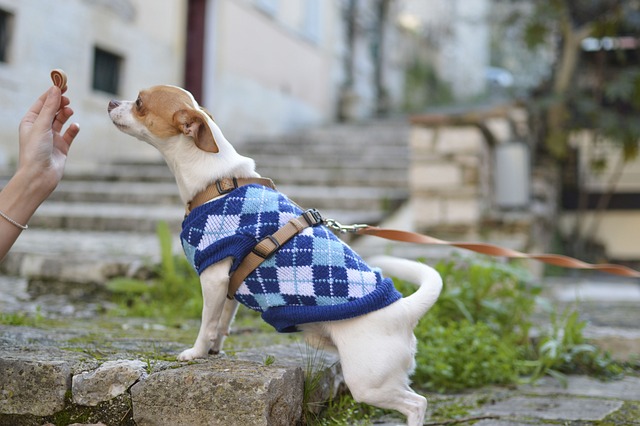
Training a puppy is a rewarding experience, but it requires consistency, patience, and a positive approach. Building a strong foundation in your puppy’s training can help prevent behavioural issues in the future, ensuring a happy, well-behaved companion. Here are six essential practices to keep in mind when training your new furry friend.
Quick Recommendation: Our blog is filled with tips and tricks for training your dog. If you are looking for a comprehensive training program, we recommend K9 Training Institute.
1. Start Training Early
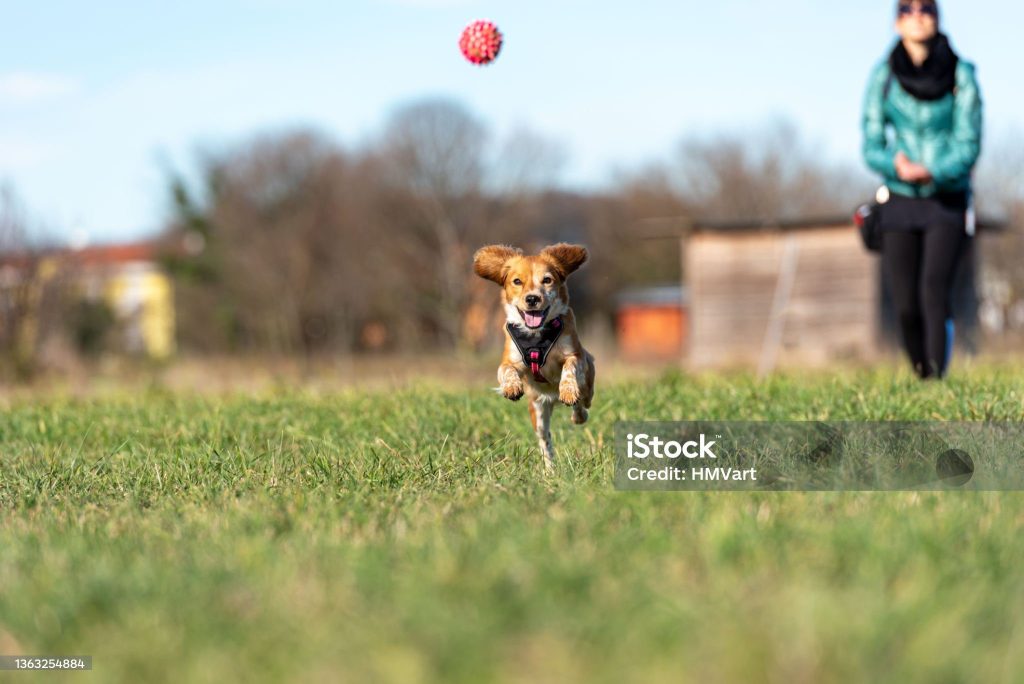
Starting training as soon as you bring your puppy home can make a significant difference in their development. Puppies are most receptive to learning at an early age, typically between 8 to 12 weeks old. During this period, they’re curious and eager to explore the world, making it an ideal time to introduce basic commands and house rules.
Key Tips:
- Focus on simple commands like “sit,” “stay,” “come,” and “no” in the beginning.
- Keep sessions short, about 5-10 minutes, and end on a positive note to prevent overwhelming your puppy.
- Use a calm voice, positive reinforcement, and rewards (treats, toys, or affection) to motivate them.

2. Use Positive Reinforcement
Positive reinforcement is one of the most effective methods for training puppies. This approach encourages your puppy to repeat good behaviour because it’s associated with something they enjoy. Whenever your puppy follows a command or behaves well, offer a reward immediately. This immediate feedback helps your puppy connect the positive behaviour with the reward.
Key Tips:
- Use small treats, toys, or verbal praise as rewards.
- Avoid punishment, as it can create fear and damage the bond with your puppy.
- Be consistent with rewards, but gradually reduce them as your puppy begins to understand commands without needing treats.

3. Be Consistent with Commands and Routines
Consistency is essential in training puppies because it helps reinforce positive behaviours and prevents confusion. Use the same words, tone, and gestures each time you give a command. For example, if you use the word “sit” to have your puppy sit down, avoid switching to phrases like “down” or “sit down,” as this can confuse them.
Establishing a routine is also crucial. Puppies thrive on predictability, so try to keep a regular schedule for feeding, bathroom breaks, exercise, and training sessions. A routine will help your puppy understand expectations and reduce the chances of accidents or unwanted behaviours.
Key Tips:
- Stick to a daily routine for feeding, walks, and bathroom breaks.
- Be patient and practice commands regularly to reinforce learning.
- Ensure that everyone in the household uses the same commands to maintain consistency.
Quick Recommendation: Our blog is filled with tips and tricks for training your dog. If you are looking for a comprehensive training program, we recommend K9 Training Institute.
4. Socialize Your Puppy with People and Other Animals
Socialization is a vital part of puppy training, as it helps your puppy feel comfortable in various environments, around people, and with other dogs. Exposing your puppy to new situations in a controlled and positive manner can prevent fear and aggression issues in the future.
Begin socializing your puppy after they’ve had their first round of vaccinations. Introduce them to different settings, sounds, and experiences, and allow them to meet people of all ages. Puppy classes can also be an excellent way for them to socialize with other dogs in a safe, supervised environment.
Key Tips:
- Reward your puppy for calm behavior when encountering new people or animals.
- Gradually introduce them to various environments, such as parks, car rides, or busy streets.
- Expose your puppy to different sounds (doorbells, vacuum cleaners, traffic) to reduce sensitivity to noise.
5. Practice Crate Training for Safety and Comfort
Crate training is an effective way to give your puppy a safe, comfortable space of their own. A crate can be a valuable tool for house training, preventing destructive behaviours, and giving your puppy a secure space to relax. When done correctly, your puppy will view their crate as a positive place, not a form of confinement or punishment.
Start by introducing the crate in a positive way. Place treats or toys inside to encourage your puppy to explore it willingly. Gradually increase the time they spend in the crate, ensuring they feel comfortable and secure. Always allow your puppy to leave the crate when they’re calm, not when they’re crying or barking, to avoid reinforcing negative behaviour.
Key Tips:
- Use treats or toys to encourage your puppy to enter the crate willingly.
- Avoid using the crate as a form of punishment, as this can create negative associations.
- Practice crate time when you’re at home, so your puppy doesn’t associate it with being left alone.
6. Be Patient and Adapt to Your Puppy’s Learning Style
Every puppy is unique, and they may learn at different paces and respond to various training methods. Some puppies may pick up commands quickly, while others may require more repetition and patience. Understand your puppy’s learning style and adjust your approach accordingly.
If a specific method doesn’t seem effective, try different forms of motivation, such as toys instead of treats or praise instead of a toy. Being patient and flexible will help you discover what works best for your puppy, building a strong foundation for a positive training experience.
Key Tips:
- Be observant and pay attention to how your puppy responds to different training techniques.
- Avoid comparing your puppy’s progress to others; every dog learns at their own pace.
- Celebrate small successes and remain patient, as training can be a gradual process.
Conclusion
Training a puppy is both an exciting and challenging journey. By following these best practices, you can set your puppy up for success and enjoy a positive, rewarding relationship. Start early, be consistent, and remember that patience and positive reinforcement go a long way in building trust and understanding. With dedication and love, your puppy will grow into a well-behaved, confident, and happy companion.
Quick Recommendation: Our blog is filled with tips and tricks for training your dog. If you are looking for a comprehensive training program, we recommend K9 Training Institute.