

Introduction
Training a dog requires consistency, patience, and an understanding of how to channel your dog’s energy in productive ways. Exercise is often overlooked but plays a fundamental role in making training both effective and enjoyable for you and your dog. The right amount of physical activity can help alleviate behavioural issues, improve focus, and support your dog’s overall health, all of which are critical for successful training. In this article, we’ll dive into five key ways exercise impacts dog training and offer tips to help you make the most of it.
Quick Recommendation: Our blog is filled with tips and tricks for training your dog. If you are looking for a comprehensive training program, we recommend K9 Training Institute.

1. Reduces Excess Energy and Prevents Hyperactivity
One of the main obstacles in dog training is excessive energy, which can lead to restlessness and distraction. A dog bursting with energy is less likely to sit still and pay attention during training sessions. Exercise serves as a great tool to expend some of this energy, making your dog more focused and willing to listen.
Tip: Exercise Before Training Sessions
Before beginning any training session, engage your dog in a moderate exercise routine. A brisk 10- to 15-minute walk or a short game of fetch can work wonders. This doesn’t mean tiring your dog out completely; the goal is to reduce excess energy so they are calm yet still motivated to engage with you. By doing so, you set a positive tone for a productive training session, free from unnecessary distractions.

2. Improves Focus and Reduces Impulsivity
Regular exercise has a significant impact on a dog’s mental well-being. Just like humans, dogs experience a release of endorphins through physical activity, which leads to a more relaxed and focused mindset. A dog who gets regular exercise is more likely to stay focused on commands and less likely to act impulsively, both of which are essential traits for effective training.
Tip: Incorporate Structured Activities
For better impulse control, consider structured activities that require both mental and physical exertion, such as agility training or scent work. These activities not only provide physical exercise but also train your dog to listen and respond to commands in dynamic environments. Over time, this builds your dog’s attention span and helps them remain calm and composed in different situations, making training smoother.
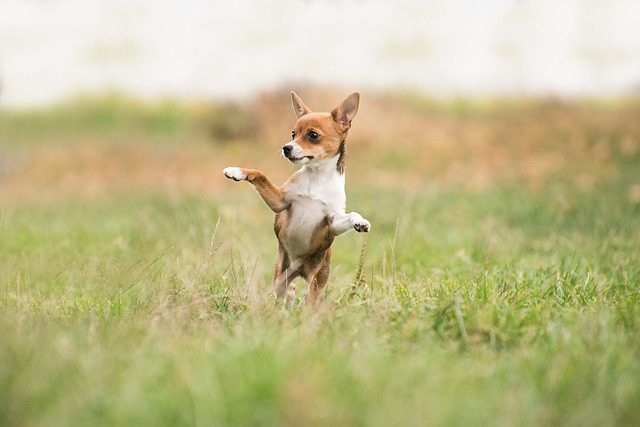
3. Reduces Anxiety and Behavioral Problems
Anxiety and destructive behaviours are common issues in dogs with pent-up energy or mental stimulation needs. Dogs that lack sufficient exercise may develop anxiety, which can manifest as barking, chewing, digging, and even aggression. By providing regular exercise, you are helping your dog release pent-up energy and emotions, making them more receptive to training.
Tip: Engage in Calming Exercises
Engage your dog in activities that promote calm behaviour, like walking in nature or swimming, which are not only physically rewarding but also mentally soothing. Swimming, for example, is a low-impact exercise that can be particularly beneficial for dogs prone to joint problems. These types of exercises help your dog learn to manage their emotions, making them more relaxed and responsive during training sessions.
Quick Recommendation: Our blog is filled with tips and tricks for training your dog. If you are looking for a comprehensive training program, we recommend K9 Training Institute.
4. Strengthens the Bond Between You and Your Dog
Training is not just about obedience; it’s also an opportunity to bond with your dog. Exercise activities done together reinforce this bond, as dogs naturally enjoy spending time with their owners and working alongside them. When your dog associates exercise with positive experiences, they’re more likely to respond positively during training, as they’ll see it as an extension of that enjoyable time together.
Tip: Make Exercise Interactive
Choose activities that allow you to actively participate alongside your dog. Try jogging together, playing a game of tug-of-war, or even participating in canine sports like flyball. These interactive forms of exercise help reinforce your role as a trusted leader and a fun companion, which can improve your dog’s receptivity to commands and willingness to learn. A well-bonded dog is generally easier to train, as they’re more motivated to please their owner.
5. Supports Physical Health and Enhances Stamina for Training
Physical fitness is a key component of successful training, especially when teaching complex commands or engaging in advanced activities like agility or obedience competitions. Dogs that exercise regularly build strength, stamina, and flexibility, making them physically capable of handling longer and more challenging training sessions. A fit dog is not only more resilient but also less likely to suffer from health-related distractions that could interfere with training progress.
Tip: Establish a Balanced Exercise Routine
Balance is essential when it comes to exercise. Incorporate a mix of activities that target different muscle groups and provide variety, such as walking, running, hiking, and obstacle courses. Avoid overexerting your dog, as this can lead to fatigue or injury, which would hinder training success. Pay attention to your dog’s breed and age, as different dogs have varying exercise requirements. For instance, a high-energy breed like a Border Collie will likely need more intense exercise than a low-energy breed like a Bulldog.
Conclusion
Exercise is an invaluable part of any successful dog training regimen. It addresses everything from reducing excess energy and anxiety to strengthening the bond between you and your dog. By incorporating regular exercise and structuring it to fit your dog’s needs, you’ll notice that training becomes smoother, and your dog is more willing to learn and respond positively. Not only will your dog be healthier and happier, but they will also be better equipped to develop new skills and good habits.
Implementing these exercise tips can make a tremendous difference in your dog’s training journey. Not only will your dog’s physical health improve, but their behaviour and focus will also benefit greatly, paving the way for a more rewarding training experience for both of you.
Quick Recommendation: Our blog is filled with tips and tricks for training your dog. If you are looking for a comprehensive training program, we recommend K9 Training Institute.