

Introduction
Selecting the right dog trainer is a critical step in ensuring your furry friend’s success in learning good behaviour, social skills, and obedience. Training can significantly impact your dog’s happiness and well-being, as well as the quality of life for both of you. However, not all trainers are created equal, and finding the right fit for your dog’s unique personality, breed, and needs can feel daunting. Here are five essential tips to help you choose a trainer who will provide safe, effective, and enjoyable training for your pup.
Quick Recommendation: Our blog is filled with tips and tricks for training your dog. If you are looking for a comprehensive training program, we recommend K9 Training Institute.
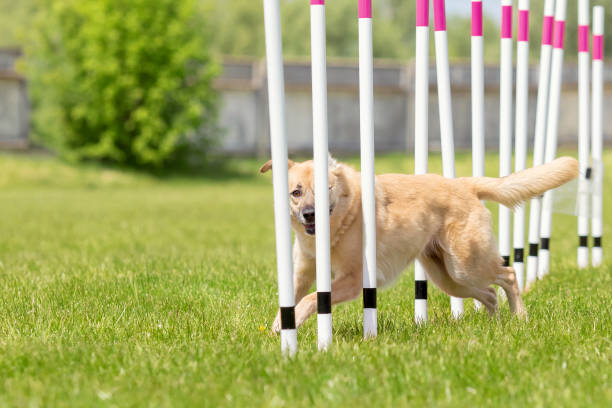
1. Look for Qualifications and Certifications
The first step in choosing a dog trainer is to examine their credentials. Look for trainers who have undergone professional training and certification through reputable organizations. Certified trainers often have rigorous education, hands-on experience, and standardized assessments. Here are some certifications that indicate a commitment to ethical, science-backed training practices:
- CPDT-KA or CPDT-KSA (Certified Professional Dog Trainer – Knowledge Assessed or Skills Assessed)
- CAAB (Certified Applied Animal Behaviorist)
- KPA CTP (Karen Pryor Academy Certified Training Partner)
- CBCC-KA (Certified Behavior Consultant Canine – Knowledge Assessed)
Certified trainers often have a solid foundation in animal behaviour and psychology, which enables them to better understand the causes behind certain behaviours. This knowledge is essential, especially if your dog has specific behavioural issues like aggression or anxiety. Certification also typically means that the trainer adheres to humane, positive reinforcement methods.
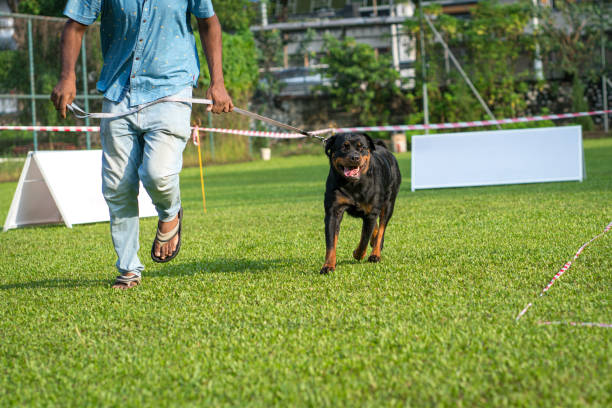
2. Observe a Training Session
One of the best ways to gauge a trainer’s methods is to observe a session in action. Many trainers offer the chance to sit in on a class or view a one-on-one session to prospective clients. Watching a training session allows you to see the trainer’s techniques, interaction with the dog, and their ability to communicate with both the dog and the owner.
When observing, ask yourself the following questions:
- Is the trainer calm, patient, and respectful with the dogs?
- Are they using positive reinforcement methods (such as treats, toys, and praise) rather than punishment or aversive techniques?
- How does the trainer handle a dog that is struggling to learn a command?
A good trainer should create an environment that encourages learning and fosters a bond between you and your dog. If you notice rough handling, harsh corrections, or dominance-based tactics, consider looking elsewhere. Training should be a positive, rewarding experience for both you and your dog.
Quick Recommendation: Our blog is filled with tips and tricks for training your dog. If you are looking for a comprehensive training program, we recommend K9 Training Institute.
3. Check Reviews and Ask for References
Reviews from other dog owners can provide valuable insights into a trainer’s approach, reliability, and effectiveness. Look for online reviews on platforms like Google, Yelp, or specialized pet care websites. Pay attention to both positive and negative feedback, as this can help you get a balanced view of the trainer’s work.
In addition to online reviews, ask the trainer for a few references from past clients. Reach out to these clients to inquire about their experience and how the training impacted their dog’s behaviour. Some questions you might ask include:
- Did you see a noticeable improvement in your dog’s behavior?
- Was the trainer communicative and clear with instructions?
- Would you recommend this trainer to others?
Getting feedback directly from past clients can provide you with a better understanding of what to expect.
4. Understand the Trainer’s Methods and Philosophy
Different trainers use different techniques and philosophies, and it’s essential to find one that aligns with your values and goals for your dog. Positive reinforcement, for example, is widely regarded as the most humane and effective method for dog training. It focuses on rewarding good behaviour rather than punishing unwanted behaviour.
Some common training philosophies include:
- Positive Reinforcement: Rewards-based training that reinforces good behaviors without punishment.
- Clicker Training: A form of positive reinforcement that uses a clicking sound to mark desired behaviours, followed by a reward.
- Balanced Training: A mix of positive reinforcement and corrections. Be cautious here, as corrections can range from mild to harsh.
- Relationship-Based Training: Focuses on building a strong, trusting bond between the dog and the owner.
Avoid trainers who rely on aversive methods, such as choke collars, prong collars, or shock collars, as these can cause stress, fear, and even aggression in dogs. Choose a trainer who prioritizes positive, humane methods that build trust and confidence in your dog.
5. Consider Compatibility with Your Dog’s Specific Needs
Every dog is unique, and it’s crucial to choose a trainer who understands and can work with your dog’s specific temperament, breed, and needs. For example:
- Puppies: Look for a trainer who specializes in puppy socialization classes to help your young dog learn basic commands, manners, and social skills.
- Anxious or Fearful Dogs: A certified behaviourist or trainer with experience in fear-based or anxiety-related behaviours may be best.
- Aggressive Behaviours: For dogs showing signs of aggression, choose a trainer skilled in behaviour modification rather than general obedience training.
- Older Dogs: Older dogs may require a patient, gentle approach that takes into account their age and potential limitations.
Discuss any special requirements or challenges your dog may have with the trainer. A reputable trainer should be transparent about their experience with your dog’s specific issues and may even suggest a behaviourist or specialist if they feel that’s a better option.
Conclusion
Choosing the right dog trainer can make a world of difference in shaping your dog’s behaviour, improving your bond, and ensuring a happy, well-adjusted companion. By researching credentials, observing a session, checking reviews, understanding training methods, and considering your dog’s unique needs, you can find a trainer who will support you and your dog on the journey to better behaviour. Remember that training is an ongoing process, and a skilled trainer will not only teach your dog but will also empower you with tools and techniques to reinforce positive behaviour every day.
Investing in quality training can lead to a happier, healthier, and more fulfilling relationship with your four-legged friend, providing both of you with the skills to navigate life together.
Quick Recommendation: Our blog is filled with tips and tricks for training your dog. If you are looking for a comprehensive training program, we recommend K9 Training Institute.