

Introduction
Potty training a new puppy can be a challenging, yet essential part of raising a well-behaved dog. With the right techniques, patience, and consistency, you can teach your puppy to reliably go to the bathroom outside or in a designated area, reducing messes and frustration. Here are five essential tips and tricks to help make potty training as smooth as possible for both you and your pup.
Quick Recommendation: Our blog is filled with tips and tricks for training your dog. If you are looking for a comprehensive training program, we recommend Spiritdogtraining.
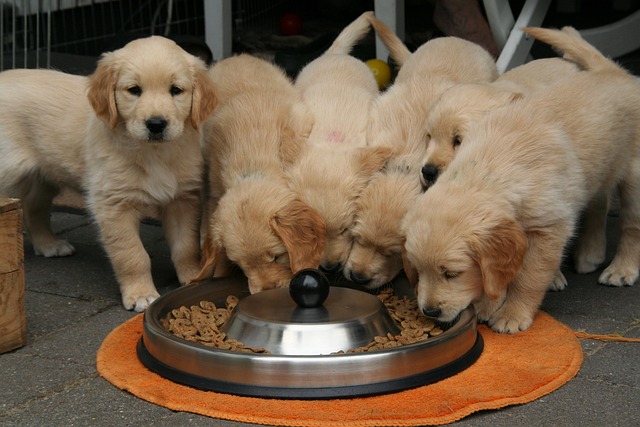
1. Establish a Consistent Routine
Routines are crucial for teaching puppies when and where they should go to the bathroom. Establishing a consistent schedule helps create predictability for your puppy, making potty training much more straightforward.
- Regular Feeding Times: Puppies should be fed at the same time each day. This will help you predict when they’ll need to relieve themselves, as puppies typically need to go to the bathroom shortly after eating.
- Designated Bathroom Breaks: Take your puppy out at regular intervals throughout the day—typically every 2-3 hours for very young puppies. Always take them outside right after waking up, after meals, and before bedtime.
- Stick to One Spot: Take your puppy to the same spot each time you go outside for a bathroom break. The familiar scent will encourage them to go to the bathroom there again.
Consistency with routine and location is one of the most effective ways to help your puppy understand where and when they should go.
2. Use Positive Reinforcement
Positive reinforcement is a powerful tool for encouraging good behaviour in dogs. Rewarding your puppy for going to the bathroom in the right place can help them associate going outside with positive experiences, making them more likely to repeat the behaviour.
- Praise and Treats: As soon as your puppy finishes going to the bathroom outside, offer enthusiastic praise and a treat. This immediate reward helps reinforce the behavior.
- Stay Consistent: Reward every time your puppy successfully uses the bathroom in the right spot. If they do so consistently for several weeks, you can gradually reduce the treats, but always continue offering praise.
- Avoid Punishment: Never scold or punish your puppy for accidents. Punishment can create confusion and fear, which may make potty training take even longer. Instead, focus on reinforcing the positive.
Positive reinforcement not only speeds up potty training but also strengthens the bond between you and your puppy.
Quick Recommendation: Our blog is filled with tips and tricks for training your dog. If you are looking for a comprehensive training program, we recommend Spiritdogtraining.

3. Supervise and Confine Your Puppy
Supervision is crucial during potty training. When you’re unable to actively watch your puppy, confinement can help prevent accidents and make training easier.
- Use a Leash for Supervision: Keep your puppy on a leash when they’re in the house so you can closely monitor them. This helps you catch signs they might need to go to the bathroom, such as sniffing, circling, or whining.
- Create a Safe Space: Use a crate or small room to confine your puppy when you’re not around. Dogs naturally avoid soiling the area where they sleep, so this can help encourage them to hold it until you take them outside.
- Increase Freedom Gradually: As your puppy becomes more reliable with going to the bathroom outside, you can gradually give them more freedom around the house.
Supervision and confinement set your puppy up for success by limiting their access to areas where they might have accidents.
4. Watch for Potty Cues and Act Quickly
Every puppy displays signs when they need to go to the bathroom. Learning these cues and acting quickly can prevent accidents and help you reinforce the correct potty behaviour.
- Common Potty Cues: Look for behaviors like sniffing the ground, circling, whining, or pacing. These are often signs your puppy needs to go to the bathroom.
- Act Quickly: As soon as you notice any of these cues, take your puppy outside right away. The quicker you respond, the more likely they’ll associate going outside with relieving themselves.
- Keep a Close Eye After Meals and Play: Puppies often need to go to the bathroom shortly after eating or playing. Be especially vigilant during these times.
Recognizing your puppy’s unique potty cues can help you be proactive, reducing accidents and reinforcing their progress.
5. Be Patient and Stay Consistent
Potty training takes time, and every puppy learns at their own pace. Staying patient and consistent is essential for success.
- Set Realistic Expectations: Most puppies won’t be fully potty trained until they’re between 4 to 6 months old. Some may take longer, depending on their breed and temperament.
- Stick to the Plan: Consistency is key. Stick to your routines, reinforce good behavior, and avoid changing your approach frequently. Sudden changes can confuse your puppy and slow down progress.
- Celebrate Small Wins: Potty training isn’t an all-or-nothing process. Celebrate small victories, like one day without accidents or your puppy going to the bathroom in the right spot without prompting.
Patience, along with a consistent approach, will help your puppy become fully potty trained in time.
Conclusion
Potty training is a critical aspect of raising a happy, well-behaved dog. By following these five essential tips—establishing a routine, using positive reinforcement, supervising and confining your puppy, watching for cues, and being patient—you can make the potty-training process smoother for both you and your pup. Each dog is different, so stay adaptable and remember that with persistence, your puppy will learn where to go.
Quick Recommendation: Our blog is filled with tips and tricks for training your dog. If you are looking for a comprehensive training program, we recommend Spiritdogtraining.