

Introduction
When the temperatures drop, keeping up with your dog’s training can be a challenge, but cold weather doesn’t have to mean the end of productive training sessions. With a few adjustments, you can continue to engage your dog and help them stay sharp and well-behaved throughout the colder months. Here are some essential cold-weather dog training tips to keep your furry friend mentally and physically active, even as the days grow colder.
Quick Recommendation: Our blog is filled with tips and tricks for training your dog. If you are looking for a comprehensive training program, we recommend Spiritdogtraining.
1. Dress for the Weather – For Both You and Your Dog
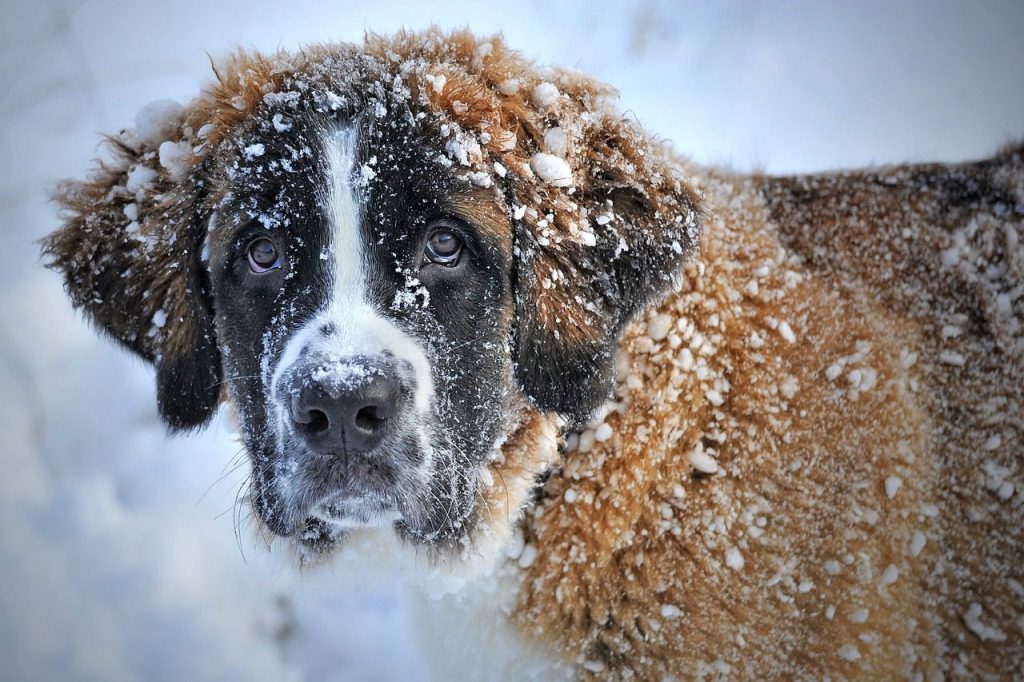
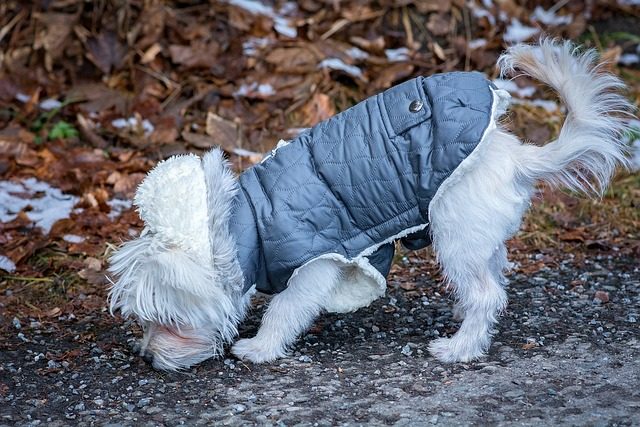
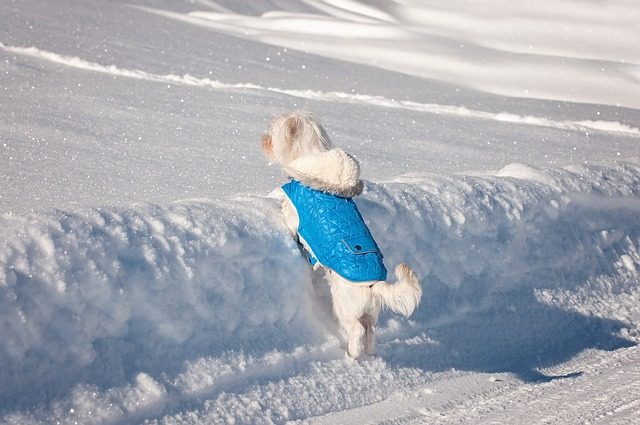
Before you step outside, make sure both you and your dog are dressed appropriately. Many dogs, especially smaller breeds and those with thin coats, can benefit from sweaters or jackets to help retain body heat. If the ground is icy or snowy, dog booties can protect their paws from harsh conditions. This added comfort can make them more receptive to training and allow you both to focus on the exercises at hand rather than the discomfort of the cold.
However, not all dogs need extra layers. Breeds with thick coats, like Huskies or Malamutes, are more comfortable in cold weather and may not require as much protection. Know your dog’s needs and adjust accordingly to make your training session comfortable for them.
2. Keep Training Sessions Short and Sweet
In cold weather, it’s best to keep training sessions shorter than usual. Prolonged exposure to the cold can be uncomfortable and even unsafe for your dog. Aim for quick, focused sessions of 10–15 minutes and prioritize exercises that don’t require them to be stationary for long. The goal is to keep them moving and warm while they learn.
You can accomplish this by focusing on dynamic commands like “come,” “fetch,” and “follow.” These commands allow your dog to stay active and burn off energy, which is particularly useful when they can’t stay outside for long periods.
3. Use Indoor Space Wisely
Sometimes, the weather might simply be too harsh to train outdoors. For those days, bringing the training inside is a great alternative. You can still reinforce important behaviors and work on skills like “sit,” “stay,” “down,” and “leave it” indoors. Training games such as hide-and-seek, where you hide treats or toys around the house for your dog to find, are excellent ways to engage their minds.
If you have limited indoor space, focus on training exercises that require minimal movement, like reinforcing obedience commands, practicing impulse control, or teaching new tricks that don’t require a lot of space.
4. Incorporate Brain-Engaging Exercises
Mental stimulation is just as crucial as physical exercise, especially in cold weather when outdoor time is limited. Teaching new tricks, such as rolling over, playing dead, or weaving through your legs, can be a fun and challenging way to engage your dog. Puzzle toys, snuffle mats, and interactive treat-dispensing toys are great for encouraging problem-solving and keeping your dog’s mind active.
For highly active dogs, try scent-based games, like hiding treats around the room or hiding yourself and calling them to find you. This game provides a mental workout and taps into their natural instincts, giving them a satisfying challenge.
5. Adjust Your Reward System
Cold weather means you might not be able to rely on the same treats and toys you use in warmer months. Certain treats may freeze in the cold, making them harder for your dog to eat. Opt for small, soft treats that are easy to eat quickly. Alternatively, use kibble from their daily food allowance to reward them during training sessions.
If your dog responds well to toys as rewards, bring along rubber or plush toys rather than anything metal that can get too cold and uncomfortable to hold. Keep in mind that treats should be small and easy to consume in order to keep the training session moving quickly and to prevent prolonged exposure to the cold.
Quick Recommendation: Our blog is filled with tips and tricks for training your dog. If you are looking for a comprehensive training program, we recommend Spiritdogtraining.
6. Focus on Recall Training
Winter conditions can make recall training especially crucial. Snow-covered landscapes can obscure visual cues, and slippery surfaces can make it challenging to quickly retrieve your dog if they run off. Practicing recall commands, like “come” or “here,” can be lifesaving if your dog gets too far from you or slips on the ice.
Use high-value rewards for successful recalls, as this reinforces the importance of the command. Recall training doesn’t require a lot of time, but it’s an essential skill to practice regularly, especially when visibility is low or surfaces are icy. Practicing this skill consistently can give you peace of mind, knowing your dog will come back when called in potentially risky conditions.
7. Create a Safe Outdoor Training Space
If you plan to do outdoor training sessions, prepare a safe area for you and your dog. Clear away snow and ice to create stable footing, especially if your dog is practicing skills that require running or turning. You can also look for sheltered areas, like garages or patios, which can provide some protection from the wind and prevent slips on icy surfaces.
If you live near a pet-friendly indoor space, like a dog training centre or community centre, consider booking time there to allow for safe, warm training sessions. These spaces are often heated and provide a controlled environment where you and your dog can practice without worrying about the weather.
8. Use Positive Reinforcement to Overcome Distractions
Cold weather often brings added distractions for dogs, such as new smells, the sound of snow crunching, or the sight of falling snowflakes. Your dog might be more easily distracted, which means you’ll need to be even more patient and consistent with your training. Use positive reinforcement – treats, praise, or a favourite toy – to reward them for focusing on you.
For dogs that are highly distracted, it can be helpful to use a leash to guide them through the exercises, gradually increasing the level of difficulty and rewarding their focus as they adapt to the new environment. Positive reinforcement is the best way to build up their ability to concentrate, even when the conditions around them are unfamiliar or exciting.
9. Prepare for Wet and Cold Paws
Cold weather, snow, and ice can be hard on your dog’s paws. Use dog-safe paw balm or wax to protect their paws before heading outside, which can prevent cracking and dryness. After training sessions, check your dog’s paws for any signs of frostbite or ice buildup between the pads.
For dogs that are sensitive to the cold, you might consider dog booties to protect their paws from the harsh elements. Booties not only keep paws warm but also provide traction on slippery surfaces. Additionally, wipe down their paws with a warm, damp cloth after each session to remove any ice melt chemicals that can be harmful if ingested.
10. Keep an Eye on Your Dog’s Comfort Level
Throughout your training sessions, pay close attention to signs that your dog might be too cold or uncomfortable. Shivering, lifting paws off the ground, whining, or appearing anxious are common signs that it might be time to head indoors. Each dog’s tolerance to cold varies based on their breed, size, and individual health. Recognizing these signs ensures that you can adapt the training to your dog’s specific needs and make the experience positive.
Remember, even a quick 10-minute training session can be effective if your dog is actively engaged and comfortable. It’s better to have several short sessions than to push through a single long session if your dog is showing signs of discomfort.
Conclusion
Training your dog in cold weather requires a little extra planning, but with the right approach, it can be a productive and enjoyable experience for both of you. Adjusting the length and type of training, dressing your dog appropriately, and keeping them mentally stimulated indoors when necessary are key strategies to ensure your dog stays engaged throughout the winter months. By using these tips, you’ll be able to help your dog stay sharp, safe, and happy – no matter how chilly it gets outside.
Quick Recommendation: Our blog is filled with tips and tricks for training your dog. If you are looking for a comprehensive training program, we recommend Spiritdogtraining.